Ever wondered why your online game feels off, even with blazing fast download speeds? This comprehensive guide dives into why upload speed matters for gaming, addressing a common blind spot for many players. We will explore its critical role in everything from smooth multiplayer interactions and crystal-clear voice chat to high-quality game streaming. For the busy US gamer, balancing work, family, and a passion for gaming, understanding upload speed is key to optimizing your limited playtime without breaking the bank. This article provides practical, actionable advice, demystifying technical jargon and offering solutions to common pain points like perceived lag, communication issues, and streaming struggles. You will learn how to check your current upload speed, identify ideal benchmarks for various gaming activities, and discover straightforward ways to improve your network performance. We focus on real-world scenarios for the average gamer, around 36 years old, who values efficient solutions to enhance relaxation, fun, and competitive edge. Prepare to transform your online experience, ensuring every gaming session is as seamless and enjoyable as possible.
Does upload truly matter for competitive online gaming?
Yes, absolutely. For competitive online gaming, where split-second reactions and real-time data synchronization are paramount, upload speed is critically important. It ensures that your game inputs—every movement, shot, or ability activation—are sent to the game server without delay. Insufficient upload speed can lead to desynchronization, meaning what you see on your screen might not accurately reflect what the server or other players are experiencing, putting you at a significant disadvantage. Many competitive gamers report that a stable upload is even more crucial than an extremely high download speed for a smooth, responsive experience.
What is a minimum upload speed recommended for smooth multiplayer gaming without streaming?
For most smooth multiplayer gaming sessions without simultaneously streaming, a minimum upload speed of 3-5 Mbps (megabits per second) is generally recommended. This range allows your client to reliably send all necessary game data, such as your position, actions, and chat messages, to the server and other players without noticeable lag or packet loss. While some games might manage on slightly less, aiming for at least 5 Mbps provides a comfortable buffer, especially if other devices on your home network are also using bandwidth.
How much upload bandwidth do I need if I want to stream my gameplay in 1080p?
If you aim to stream your gameplay in 1080p resolution at 30 or 60 frames per second, you'll need a significantly higher and stable upload speed. For 1080p30, a dedicated upload of 5-8 Mbps is often sufficient, while for crisp 1080p60, you'll ideally want 8-15 Mbps or more. This bandwidth ensures your video and audio data can be consistently uploaded to your streaming platform, preventing pixelation, buffering, and dropped frames for your viewers. Always check the specific recommendations of your chosen streaming service (e.g., Twitch, YouTube Gaming) for optimal bitrates.
Can poor upload speed cause my voice chat to cut out or sound distorted?
Yes, absolutely. Poor upload speed is a common culprit behind voice chat issues during gaming. Voice chat data is constantly being uploaded from your microphone to your teammates and the game server. If your upload bandwidth is insufficient or unstable, this data can be delayed, dropped, or corrupted, leading to your voice cutting out, sounding robotic, or becoming distorted. For clear and reliable team communication, which is vital in many social and competitive games, a stable upload speed of at least 1-2 Mbps dedicated to voice is beneficial.
Does background activity like cloud backups or file sharing impact my gaming upload?
Yes, background activities like cloud backups (e.g., Google Drive, OneDrive, Dropbox sync), torrents, or large file sharing services can severely impact your gaming upload speed. These applications often consume a significant portion of your available upload bandwidth to transfer data in the background. When gaming, this leaves insufficient bandwidth for your game's critical data, leading to increased latency, lag, and potential disconnects. It's highly recommended to pause or schedule such activities outside of your gaming hours for optimal performance.
Is there a way to prioritize my gaming upload traffic over other devices on my network?
Yes, many modern routers offer a feature called Quality of Service (QoS) that allows you to prioritize specific types of internet traffic or specific devices. By configuring QoS, you can tell your router to give priority to your gaming console or PC's network traffic, including its upload data, over other less time-sensitive activities like web browsing, video streaming on another device, or background downloads. This helps ensure that even when your network is busy, your gaming experience remains as smooth as possible, minimizing latency and improving responsiveness.
Why do some gamers only focus on download speed and ignore upload?
Many gamers primarily focus on download speed because it's what directly impacts large game downloads, game updates, and loading content from streaming services like Netflix or YouTube. Historically, for basic online gaming, download speeds needed to be higher than upload. However, with the rise of social gaming, competitive multiplayer, cross-play, and game streaming, the importance of upload speed has significantly increased. The misconception persists because high download numbers are often heavily advertised by ISPs, overshadowing the critical, albeit smaller, role of upload in interactive online experiences. It's a key reason why understanding "does upload matter for gaming" is so crucial for modern players.
Hey there, fellow gamers! If you're anything like me, you've probably spent countless hours obsessing over your download speed. We all want those lightning-fast game downloads and buttery-smooth streaming of our favorite shows. But let's be honest, how many of us truly pause to ask, "Does upload matter for gaming?" It's a question often overlooked, yet it holds the key to unlocking a truly seamless and frustrating-free online experience. You might have a gigabit download, but still feel that mysterious lag, those dropped voice chat messages, or struggle to stream your victorious moments.
For many of us in the US, gaming isn't just a hobby; it's a vital escape, a way to connect with friends, or a means to unwind after a long day of work and family responsibilities. The average US gamer, often around 36 years old, spends over 10 hours a week immersed in virtual worlds. We value our limited gaming time, and we want it to be as enjoyable and performant as possible. That means no annoying setup issues, no inexplicable performance hitches, and certainly no internet woes sabotaging our fun. This guide is built to help you understand the unsung hero of your internet connection – upload speed – and empower you to optimize it, so you can focus on building skills, having fun, and dominating your next match.
What Exactly Is Upload Speed and How Does It Affect Gaming?
Imagine your internet connection as a two-lane highway. Download speed is like the incoming lane, bringing all the data from the internet to your devices. This is how you receive game updates, load vast open worlds, and watch YouTube videos. Upload speed, on the other hand, is the outgoing lane – it's how your devices send data *out* to the internet. When you’re gaming, this outbound data is incredibly important. It carries your every command: your character's movements, every click of your mouse, every button press on your controller, every shot you fire, and every chat message you type. In short, upload speed is how your game client communicates your actions to the game server and other players.
Think about a typical online multiplayer game. Your computer or console is constantly sending small packets of data to the game server. These packets tell the server where your character is, what weapon you're holding, if you're jumping, sprinting, or performing a special ability. If your upload speed is too slow or inconsistent, these crucial packets get delayed or even lost. This leads to what's often called 'desync' or 'rubberbanding,' where your character might appear to teleport or your actions don't register instantly. For a seamless experience, especially in fast-paced competitive titles, this outgoing data needs to flow freely and rapidly. This direct communication is why the question, does upload matter for gaming, holds so much weight in today's interconnected gaming world.
Why Does Upload Speed Matter for Gaming Beyond Just Downloading Games?
The misconception that only download speed matters for gaming stems from older internet usage patterns. In the past, gaming was largely a single-player experience with occasional, less demanding online components. Today, gaming is inherently social and interactive. The landscape has shifted dramatically, with 87% of US gamers playing regularly, and social gaming being a dominant trend, often involving cross-play between PC, console, and even mobile devices. Your upload speed is the backbone of this real-time interaction, affecting far more than just getting the game onto your hard drive.
Without adequate upload speed, your participation in the game world is compromised. It’s not just about getting data in; it’s about sending your unique contribution out. Your precise inputs, essential for competitive play, need to reach the server in milliseconds. Consider the popular battle royales or MOBAs where teamwork and split-second decisions dictate victory. If your upload is bottlenecked, your character's actions will appear delayed to others, or even worse, your critical abilities might not activate when you expect them to. This isn't just an inconvenience; it can be a significant competitive disadvantage. So yes, does upload matter for gaming? Absolutely, it determines how effectively you can participate in the living, breathing, online game world.
How Much Upload Speed Do I Really Need for Online Gaming?
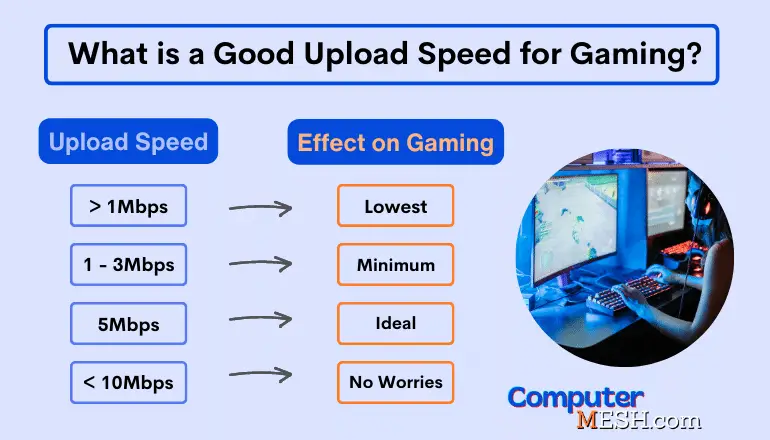
The exact upload speed you need for gaming can vary depending on the type of game and what other activities you're doing online. For basic online multiplayer, where you're just playing and not streaming, a minimum stable upload speed of 3-5 Mbps (Megabits per second) is generally sufficient. This allows your game client to send critical data packets to the server without significant delays.
However, if you're looking to stream your gameplay, engage in high-quality voice chat, or have multiple devices on your network actively uploading data, you'll need significantly more headroom. Many modern gamers find that 10-25+ Mbps upload provides a much more robust and future-proof experience. For those of us balancing gaming with other household internet demands, it's wise to aim for the higher end of the recommended ranges to ensure a smooth experience for everyone.
Here's a quick guide for typical gaming activities:
- Casual Multiplayer (e.g., RPGs, slower-paced strategy): 1-3 Mbps
- Competitive Multiplayer (e.g., FPS, MOBAs, fighting games): 3-5 Mbps
- Voice Chat (Discord, in-game): Add 1-2 Mbps
- Streaming 720p at 30fps: 3-6 Mbps
- Streaming 1080p at 60fps: 6-15 Mbps
- Streaming 4K at 60fps: 15-30+ Mbps
These are general guidelines, and having a bit more than the minimum can often prevent frustrating situations during peak internet usage hours or when your ISP experiences minor congestion.
Does My Upload Speed Impact Voice Chat and Team Communication?
Absolutely, your upload speed has a direct and profound impact on the quality and reliability of your voice chat. Whether you're using an in-game chat system, Discord with your buddies, or another VoIP service, your microphone is constantly recording your voice and sending that audio data up to the server or directly to your teammates. This process requires a stable and sufficient upload connection.
If your upload speed is too low or experiences frequent fluctuations, the audio data from your microphone can get fragmented, delayed, or even dropped entirely. The result? Your teammates hear your voice cutting out, sounding robotic, distorted, or experiencing annoying echoes. In competitive games where clear, real-time communication is paramount for strategy and coordination, this can be a huge detriment. Imagine trying to call out an enemy position or coordinate a push, only for your voice to become unintelligible. For the average gamer who values social play and effective teamwork, ensuring robust upload for voice chat is just as crucial as the game's performance itself. It's a critical component in answering the question, does upload matter for gaming, especially in its social aspect.
What Role Does Upload Play When I'm Streaming My Gameplay?
For the growing number of gamers who dabble in streaming, or even those who consistently share their gameplay on platforms like Twitch, YouTube Gaming, or Facebook Gaming, upload speed isn't just important—it's absolutely critical. When you stream, you are essentially sending a continuous, high-definition video and audio feed from your computer or console to a streaming server. This process is incredibly upload-intensive.
The quality of your stream (resolution, frame rate, bitrate) directly correlates with the amount of upload bandwidth you need. Trying to stream in 1080p at 60 frames per second with an inadequate upload speed will result in a pixelated, choppy, or constantly buffering stream for your viewers. You might also experience dropped frames on your end, impacting your own gaming performance. For aspiring content creators or those who simply want to share their epic moments with friends, investing in a robust upload speed is non-negotiable. Modern US gaming trends show a significant influence from creators and streamers, making a smooth, high-quality broadcast essential for engagement. Answering the question, does upload matter for gaming, definitively yes, especially for broadcasting your gameplay to the world.
Can My Slow Upload Speed Cause Lag or Latency Issues?
Yes, unequivocally, a slow upload speed can directly contribute to lag and latency issues in your online games. While ping (latency) is often measured as the round-trip time for a small data packet to travel from your computer to the server and back, a bottleneck in the upload phase can significantly increase that time. If your outgoing data packets struggle to leave your system due to insufficient upload bandwidth, it adds extra delay to every interaction you have with the game server.
This means your inputs take longer to reach the server, and consequently, the server's response takes longer to reflect on your screen. You might experience what feels like 'input lag' or even 'invisible lag,' where the game doesn't feel quite right, even if your ping numbers appear decent on paper. Furthermore, slow upload can lead to packet loss, where some of your critical data simply doesn't make it to the server, forcing re-sends and causing further delays. This is particularly noticeable in fast-paced games where every millisecond counts. So, if you're wondering, does upload matter for gaming and preventing frustrating lag, the answer is a definite yes; it's a key factor in ensuring low latency and smooth responsiveness.
How Can I Check My Current Internet Upload Speed?
Before you can improve your upload speed, you need to know what you're currently working with. Fortunately, checking your internet speed is a straightforward process. There are several reliable online speed test websites that can provide you with accurate readings for both your download and upload speeds.
Here’s how to get the most accurate result:
- Connect via Ethernet: Whenever possible, connect your gaming PC or console directly to your router with an Ethernet cable. Wi-Fi can introduce variables like interference and signal degradation that can skew your results.
- Minimize Background Activity: Close all other applications on your gaming device that might be using the internet, especially those that could be uploading data (e.g., cloud backup services like OneDrive or Google Drive, torrent clients, file-sharing apps). Ask others in your household to pause heavy internet usage during the test.
- Use a Reputable Speed Test: Popular options include Ookla Speedtest, Fast.com (powered by Netflix), or Google's own speed test (just search "internet speed test").
- Run the Test: Click the "Go" or "Start" button and wait for the test to complete.
- Note the Upload Result: Pay close attention to the "Upload" figure, typically displayed in Mbps (Megabits per second). This number is your current upload speed.
Compare this result to your internet service provider's (ISP) advertised speeds and the recommendations discussed earlier. This will give you a clear picture of whether your current upload speed is sufficient for your gaming habits, thereby answering the question of does upload matter for gaming in your specific setup.
What Are Practical Ways to Improve My Gaming Upload Speed?
Even if you're not ready for an internet plan upgrade, there are several practical steps busy gamers can take to improve their upload speed and overall network performance. These tips focus on maximizing what you already have, ensuring you get the most value for your money and time.
- Go Wired with Ethernet: This is by far the most impactful step. A direct Ethernet connection eliminates Wi-Fi interference, signal drops, and latency, providing a more stable and often faster connection for both download and upload.
- Minimize Background Uploads: Be diligent about closing applications or pausing services that are uploading data in the background. Cloud storage syncs, torrents, large email attachments, and even some game launchers can consume significant upload bandwidth without you realizing it. Schedule these activities for when you're not gaming.
- Utilize Quality of Service (QoS) on Your Router: Many modern routers have QoS settings that allow you to prioritize certain types of traffic or specific devices. Configure your router to give priority to your gaming PC or console, ensuring that its vital game data (including uploads) gets precedence over other network traffic.
- Optimize Router Placement: If Wi-Fi is your only option, ensure your router is centrally located, away from obstructions, and elevated. Newer routers with Wi-Fi 6 or 6E technology offer better performance and less interference.
- Update Router Firmware: Router manufacturers frequently release firmware updates that can improve performance, stability, and security. Check your router's manual or manufacturer's website for instructions on how to update it.
- Reboot Your Router and Modem: A simple power cycle can often resolve temporary network glitches and improve overall performance. Unplug both devices, wait 30 seconds, then plug them back in.
- Contact Your ISP: If you've tried everything and your upload speeds are consistently below what you're paying for, or if you suspect a line issue, don't hesitate to contact your internet service provider.
By implementing these strategies, you can significantly enhance your gaming experience, ensuring your answer to "does upload matter for gaming" is backed by practical, optimized performance.
Are There Specific Games Where Upload Speed Is More Critical?
While upload speed is beneficial for almost any online game, its criticality intensifies significantly in certain genres and types of gameplay. Understanding these distinctions helps the average gamer prioritize their network optimization efforts.
- Fast-Paced Competitive Multiplayer Games: This is where upload truly shines. Think first-person shooters (FPS) like Call of Duty or Valorant, fighting games, or real-time strategy (RTS) games. In these titles, every millisecond counts. Your inputs (moving, aiming, shooting) need to reach the server instantly for hit registration, accurate character positioning, and responsive controls. Laggy uploads can literally cost you the match.
- MMORPGs and Games with Large Player Counts: While not always as twitch-dependent as an FPS, large-scale online games like World of Warcraft or Final Fantasy XIV still benefit immensely from solid upload. Your character's actions, status updates, and interactions with other players are constantly being uploaded. In crowded zones or during large raids, robust upload ensures your client communicates effectively with hundreds of other players and the server.
- Games with Integrated Voice Chat: As discussed, games heavily reliant on in-game voice communication (e.g., tactical shooters, team-based objective games) demand consistent upload for clear audio transmission.
- Co-op and Peer-to-Peer Hosted Games: In some co-op games or older titles that use peer-to-peer hosting, one player's internet connection (including their upload speed) can directly impact the experience for everyone else in the session.
Ultimately, if your gaming involves real-time interaction with other players or a central server, and especially if quick reflexes and precise timing are key, then a good upload speed is non-negotiable. This reiterates why the question of does upload matter for gaming is so pivotal for the modern gamer.
When Should I Consider Upgrading My Internet Plan for Better Upload?
For many gamers, the idea of upgrading an internet plan immediately brings up concerns about cost and necessity, especially when balancing a budget. However, there are clear indicators that suggest it might be time to consider a plan with higher upload speeds, ensuring you get maximum value for your gaming investment.
- Consistent Performance Issues: If you've tried all the optimization tips (Ethernet, QoS, closing background apps) and still experience frequent lag, voice chat cutouts, or streaming problems that point to low upload, an upgrade might be necessary.
- Streaming Aspirations: If you plan to consistently stream your gameplay at 1080p or higher resolutions, your current upload (if below 8-15 Mbps) will likely be a bottleneck. Streaming is one of the biggest drivers for higher upload needs.
- Multiple Concurrent Users/Devices: Even if your gaming needs are modest, if your household has multiple people simultaneously uploading data (e.g., remote work video calls, large file backups, heavy social media use), your gaming upload can suffer. A higher overall upload capacity benefits everyone.
- ISP Discrepancy: If your speed tests consistently show upload speeds significantly lower than what your ISP advertises, even after troubleshooting, it's worth discussing with them whether a different plan or network fix is required.
- Future-Proofing: As games become more complex and social features expand, the demand for upload bandwidth is only likely to grow. A slight upgrade now might save you headaches down the line.
Remember, it's about finding the right balance between performance and affordability. Discuss your gaming and streaming habits with your ISP to see what plans offer symmetrical or near-symmetrical upload and download speeds, which are often ideal for serious gamers and content creators. Your answer to the question, does upload matter for gaming, will guide your decision on when to consider that upgrade.
Beyond Speed, What Else Affects My Gaming Network Performance?
While upload speed is undeniably crucial, it's just one piece of the puzzle when it comes to a truly optimized gaming network. For the discerning gamer, understanding other factors can help fine-tune your setup and eliminate common frustrations.
- Ping (Latency): This is the response time of your connection – how quickly your device communicates with a server. Lower ping (measured in milliseconds, ms) means less delay. Even with high upload, high ping will cause lag. Aim for under 50ms, ideally under 20ms for competitive play.
- Packet Loss: This occurs when data packets fail to reach their destination. Even a small percentage of packet loss (1-2%) can cause noticeable stuttering, rubberbanding, and connection drops in games. A stable upload helps minimize this.
- Jitter: This refers to the variation in delay of received packets. High jitter means your ping isn't consistent, leading to an erratic and unpredictable gaming experience, even if your average ping is low.
- Router Quality and Age: An old or low-quality router can be a bottleneck, regardless of your internet plan. Invest in a modern router that supports Wi-Fi 6/6E (if using wireless) and has strong processing power for handling multiple connections and QoS.
- ISP Network Congestion: During peak hours, your ISP's network can become congested, leading to slower speeds and higher latency for everyone in your area. This is often beyond your control but can be a factor.
- Server Location: The physical distance between you and the game server significantly impacts ping. Playing on servers geographically closer to you will almost always result in better latency.
A balanced approach to network optimization, considering all these factors in addition to upload speed, is essential for delivering the best possible online gaming experience. With mobile gaming dominating segments of the market and 87% of US gamers regularly engaging, a holistic view of network health is more important than ever.
So, does upload matter for gaming? Absolutely. It’s not just a secondary stat; it's a fundamental pillar of a smooth, responsive, and enjoyable online gaming experience. For the busy US gamer, balancing work, family, and a passion for gaming, understanding and optimizing your upload speed means more effective communication, seamless streaming, and an overall more rewarding escape into your favorite virtual worlds. Don't let a bottlenecked upload ruin your precious gaming time.
By taking proactive steps to understand your current upload speed and implementing the practical tips we've discussed, you're not just fixing a technical problem; you're investing in your own enjoyment and competitive edge. Make those inputs count, communicate clearly with your squad, and stream your triumphs without a hitch. What's your biggest gaming challenge? Comment below and let's conquer it together!
FAQ Section
Is 10 Mbps upload good for gaming and streaming?
Yes, 10 Mbps upload is generally considered very good for most gaming scenarios and moderate streaming. It provides ample bandwidth for competitive multiplayer, clear voice chat, and allows you to stream your gameplay comfortably in 720p or even 1080p at 30 frames per second without significant issues. It offers a solid balance for the average gamer.
Does WiFi or Ethernet affect upload speed for gaming?
Yes, significantly. Ethernet (wired connection) almost always provides a more stable, lower-latency, and often faster upload speed compared to WiFi. Wireless connections are susceptible to interference, signal degradation, and packet loss, which can negatively impact your effective upload speed and overall gaming performance. For critical gaming, always opt for Ethernet.
Can too many devices slow my upload speed for gaming?
Absolutely. If multiple devices on your network are simultaneously performing upload-intensive tasks (e.g., cloud backups, video calls, large file uploads), they will compete for your total available upload bandwidth. This can severely bottleneck your gaming connection, leading to lag, desync, and poor voice chat quality. Prioritizing gaming traffic via QoS or pausing other uploads is crucial.
What's the difference between upload and download speed for gamers?
Download speed is how fast your device receives data (e.g., game downloads, loading game worlds, watching streams). Upload speed is how fast your device sends data (e.g., your character's actions to the server, voice chat audio, streaming your gameplay). Both are essential, but upload is critical for interactive real-time performance and communication in online games.
How does QoS help with gaming upload speed?
Quality of Service (QoS) on your router helps by allowing you to prioritize certain types of network traffic or specific devices. By setting your gaming PC or console as a high-priority device, QoS ensures that your game's upload data gets preferential treatment, even when other devices on your network are active. This minimizes latency and keeps your in-game actions responsive.
Do free-to-play games require high upload speeds?
The upload speed requirements for free-to-play games are generally similar to their paid counterparts, primarily depending on the genre and online features. Fast-paced free-to-play competitive titles (like Valorant, Fortnite, Apex Legends) will benefit greatly from good upload speeds for responsiveness, while slower, less interactive F2P games might be less demanding. Always aim for at least 3-5 Mbps upload for any online F2P title.
Upload speed is crucial for smooth online multiplayer, voice chat, and streaming gameplay. While download gets more attention, insufficient upload causes lag, disconnects, and poor broadcast quality. This guide demystifies its importance, helps identify ideal upload speeds for different gaming activities, and provides practical optimization tips for gamers balancing life and play. Understanding upload helps prevent frustrating in-game issues, ensures clearer communication with teammates, and enables seamless sharing of gaming moments, ultimately improving the overall gaming experience for casual and competitive players alike.
34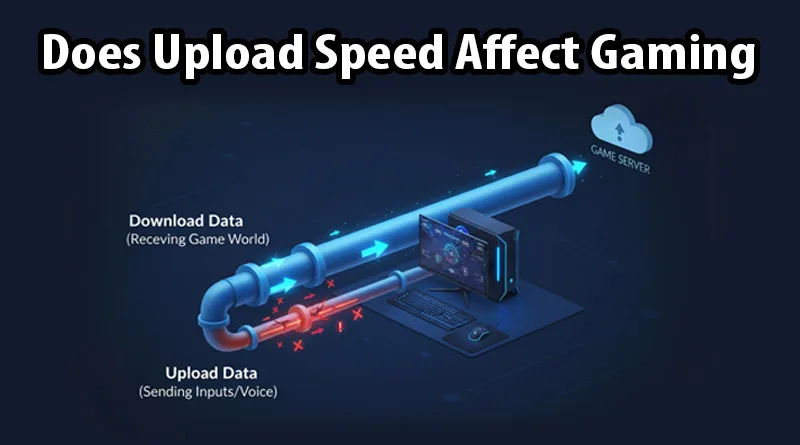



Truth Exposed Does Upload Speed Affect Gaming And Streaming Does Upload Speed Affect Gaming. Top Gaming Trends Of 2026 TREND . 10 Much Awaited Games Set To Launch In 2026 Games To Launch 2026 1536x967 . 2026 Upcoming Games And Game Release Dates Guide 2026 Upcoming Games Release Dates . Top 10 Most Anticipated Games Of 2026 What To Watch Out For TVN GAMES IN 2026



What Is A Good Upload Speed For Gaming Com What Is A Good Upload Speed For Gaming . Games Coming To Nintendo Switch 2 And Nintendo Switch In 2026 Nintendo . Which Game Are You Most Excited For Gaming In 2026 Is Going To Be Oardefault . 6 Best Gaming Consoles Of 2026 YouTube . Top 5 New Games You Should Be Streaming In 2026 GETREKT Top 5 Stream 2026 6bdddd73 9416 444e Bc3c


April Gaming Calendar 2026 New Game Releases Events Must Play Titles Game Releases Full Calendar Release Dates Main . Best Monitor For PS5 Pro 2026 OLED Vs Mini LED Compared Image. Sensor Tower State Of Gaming 2026 By Dmitriy Byshonkov 39b39ad9 2df5 405f A9c0 2460x1386 . 20 Most Anticipated Video Games Of 2026 Page 18 1200x675 . 5 Best Smartphones For Gaming In 2026 MobileMall Blog Gaming Phones



Sensor Tower State Of Gaming 2026 By Dmitriy Byshonkov Ffb43ca5 450e 4648 Bb31 1586x1384 . Upload Vs Download Speed 2026 Image. What Does Online Gaming Use Download Speed Or Upload Speed Robots Net How Many Mb For Online Gaming 1691237426 . Best Gaming Laptops At CES 2026 RTX 5090 Options Dual Screen Picks Lenovo Legion Pro Rollable Concept. Taking An EARLY Look At The 2026 Gaming Lineup YouTube


Calm Down Internet Xbox S Exit The Gaming Business By 2027 Quote Is . Truth Exposed Does Upload Speed Affect Gaming And Streaming Best Gaming Headset 2026 Hero. The Ultimate Gaming PC Build 2026 Guide By Xidax 1 Unnamed . What Are Strategies In Games And Why Do They Matter PC Games 2026 . How Much Do Keywords Matter In 2026 Do Keywords Matter In 2026 OG Image



Xbox 2026 Comeback Starts On January 22 With Forza Horizon 6 And Fable Best Gaming Consoles Hero Image . Sensor Tower State Of Gaming 2026 By Dmitriy Byshonkov 8a8e4054 45d3 48ff 8ee6 2404x948 . Most Anticipated Games Of 2026 Inquiry Reveals Secrecy Around Doomed . Upload 2026 Steam Games Cob31h . Internet Upload Speeds Explained Why They Matter More Than Ever Internet Upload Speeds Explained


I M SUPER Concerned For Gaming In 2026 YouTube . Top Video Game Industry Trends For 2026 Juego Studios 05 Cross Platform And Cloud Gaming. This Is My 2026 Gaming Setup YouTube . Sensor Tower State Of Gaming 2026 By Dmitriy Byshonkov 836fd19f 5c47 436b A975 1590x1392