Unlock the ultimate gaming experience by diving into the world of computer custom builds. This comprehensive guide helps busy US gamers, averaging 36 years old and often balancing careers and families, discover how to build a PC that perfectly suits their needs without breaking the bank or sacrificing precious time. We cut through the technical jargon, offering practical advice on everything from component selection to performance optimization. Whether you are looking to upgrade your current setup, troubleshoot common issues, or simply get more value for your money, this resource provides actionable steps. Learn how to craft a powerful machine for both social play and intense skill-building, keeping you current with the latest trends and competitive without falling for hype. Your ideal gaming rig is within reach, providing relaxation and fun on your terms, ensuring you get the most out of every gaming session. Building a custom PC is about empowerment and tailoring your digital world.
Who should consider a computer custom build for gaming?
Gamers seeking tailored performance, cost efficiency, and future upgradeability should consider a computer custom build. This is especially true for busy adults who want to maximize their limited gaming time with a reliable, optimized system that meets their specific needs, whether for competitive play, streaming, or unwinding with casual games without performance compromises.
Why is component compatibility crucial for a custom PC build?
Component compatibility is crucial because mismatched parts will either not work together at all or lead to severe performance issues and instability. Ensuring your CPU fits the motherboard socket, RAM is compatible with the motherboard's speed and type, and your power supply meets the demands of all components prevents frustrating troubleshooting and wasted money, guaranteeing a smooth build and reliable system operation.
How can I balance performance and budget when selecting parts for my custom gaming PC?
To balance performance and budget, prioritize the GPU as it has the biggest impact on gaming. Allocate a significant portion of your budget there, then choose a capable CPU that won't bottleneck it. Opt for an NVMe SSD for fast storage and at least 16GB of RAM. Look for last-generation components on sale or mid-range options that offer excellent value. Research benchmarks to find the best bang-for-buck parts that align with your target resolution and frame rate.
What are the benefits of liquid cooling versus air cooling in a custom build?
Liquid cooling often provides superior thermal performance and quieter operation, particularly for high-end CPUs or overclocking, allowing for better sustained performance. Air cooling, however, is generally more affordable, easier to install, and less prone to leaks or pump failures. The choice depends on your budget, aesthetic preference, and the heat output of your components; air cooling is excellent for most builds, while liquid cooling shines in enthusiast systems.
Is it difficult for a beginner to assemble a computer custom build?
No, assembling a computer custom build is not overly difficult for a beginner. While it requires patience and attention to detail, modern components are designed to be user-friendly with clear instructions. Abundant online resources, video guides, and community support make the process accessible. Taking your time, following step-by-step tutorials, and double-checking connections can make it a rewarding and successful experience, even for first-time builders.
What post-build steps are essential for a newly assembled custom PC?
After assembling your custom PC, essential post-build steps include installing the operating system, downloading and installing all necessary drivers (especially for the GPU, chipset, and audio), and running system updates. You should also install monitoring software to check temperatures and performance, and benchmark your system to ensure everything is working as expected. Finally, personalize your settings and install your favorite games.
How can I troubleshoot common issues during or after a custom PC build?
Troubleshooting common issues during or after a custom PC build involves systematic diagnosis. If the PC won't POST, check all power connections, RAM seating, and CPU installation. For no display, ensure the monitor is connected to the GPU, not the motherboard. Performance problems often stem from outdated drivers, overheating (check cooling), or insufficient power (check PSU wattage). Consulting online forums and manufacturers' manuals can also provide specific solutions.
Are you a gamer who often feels stuck between the allure of cutting-edge titles and the reality of a busy life, a demanding job, or a growing family? You are not alone. Many of us, particularly the 87% of US gamers who regularly dive into virtual worlds, spending an average of 10+ hours a week, want a powerful gaming machine but dread the complexity and cost. We want to unwind, connect with friends in games like Palworld or Helldivers 2, or perhaps even stream, without dealing with constant lag, outdated hardware, or the fear of making the wrong upgrade choice. The dream of a perfectly optimized rig that fits your lifestyle and budget, and keeps pace with the mobile dominance and social gaming trends of today, feels just out of reach. That is where a computer custom build comes in.
Forget off-the-shelf compromises. Building your own PC offers unparalleled control, allowing you to tailor every component to your specific gaming habits, whether you are into competitive esports, relaxing cozy games, or exploring VR experiments. It is about smart spending, solving common performance bottlenecks, and creating a machine that truly enhances your limited gaming time. This guide will demystify the process, answering your burning questions and empowering you to craft the ultimate gaming sanctuary, designed by you, for you.
Why should I consider a Computer Custom Build over a pre-built PC?
A computer custom build offers significant advantages, especially for discerning gamers. You get precise control over every component, ensuring optimal compatibility and performance for your specific games and applications. This often means better value for your money, as you avoid the markups associated with pre-built systems and can allocate your budget exactly where it matters most, like a powerful GPU or faster storage. Custom builds also provide superior upgradeability, making future enhancements easier and more cost-effective. Plus, there is a deep satisfaction in building something uniquely yours.
For many gamers balancing life, work, and family, the ability to select parts that address specific pain points, like quiet operation for late-night sessions or a specific aesthetic that fits their home office, is invaluable. You are not just buying a machine; you are investing in a tailored experience that can evolve with your needs. This month, with new CPUs and GPUs hitting the market, a custom build ensures you are not paying for last year's tech at a premium.
What are the essential components for a high-performance gaming PC?
Building a high-performance computer custom build for gaming hinges on several key components working in harmony. The Graphics Processing Unit (GPU) is paramount, as it handles most of the heavy lifting for rendering game visuals. Look for the latest generation cards from NVIDIA (RTX series) or AMD (RX series) based on your budget and desired resolution. Next is the Central Processing Unit (CPU), the brain of your PC, which manages game logic and background tasks. Intel's Core i7/i9 or AMD's Ryzen 7/9 are popular choices. You will also need sufficient RAM (Random Access Memory), typically 16GB or 32GB of DDR4 or DDR5 for smooth multitasking and game loading. Fast storage is crucial; an NVMe SSD is practically mandatory for quick boot times and game load speeds. Finally, a robust Motherboard connects all these components, a reliable Power Supply Unit (PSU) provides stable electricity, and an efficient Cooling System (air or liquid) prevents overheating during intense gaming sessions.
How much does it cost to build a good gaming PC in 2026?
The cost of a computer custom build varies widely, but in 2026, a solid gaming PC can range from approximately $800 to $2500 or more, depending on your performance goals. For around $800-$1200, you can build a capable 1080p gaming rig that handles most modern titles at high settings, perfect for casual gamers or those on a tighter budget. Stepping up to $1200-$1800 typically gets you excellent 1440p performance, suitable for more competitive players or those desiring better visuals. Above $1800, you are looking at premium 4K gaming, high refresh rates, and possibly streaming capabilities. Remember that component prices fluctuate, and sales can significantly impact your final cost. Budgeting for peripherals like a monitor, keyboard, and mouse is also essential. Many gamers find smart compromises, perhaps opting for a slightly older CPU to splurge on a newer GPU, maximizing value.
Where can I find reliable parts and resources for my first custom PC build?
Finding reliable parts and resources for your computer custom build is easier than ever. Major online retailers like Amazon, Newegg, and B&H Photo are excellent places to buy components, often offering competitive pricing and extensive customer reviews. For local options, check out Micro Center stores if you are in the US, as they often have great bundles and knowledgeable staff. Before purchasing, compare prices across different vendors using sites like PCPartPicker. This tool also helps verify component compatibility, a lifesaver for first-time builders. For learning, YouTube channels such as Gamers Nexus, Linus Tech Tips, and JayzTwoCents provide invaluable video guides and benchmarks. Online forums like Reddit's r/buildapc community offer peer support and advice. Utilize these resources to make informed decisions and troubleshoot any issues that arise during your build.
What are common mistakes to avoid during a Computer Custom Build?
When embarking on a computer custom build, avoiding common pitfalls can save you time and frustration. One major mistake is not checking component compatibility rigorously; ensure your CPU socket matches your motherboard, and your PSU provides enough wattage for all your parts. Overlooking proper cable management can hinder airflow and make future upgrades difficult. Rushing the process, especially when installing the CPU or connecting delicate cables, often leads to bent pins or loose connections. Forgetting to install standoffs for the motherboard is a classic error that can cause electrical shorts. Also, do not forget to install drivers after the build is complete; outdated drivers are a primary cause of performance issues. Lastly, neglecting proper cooling can lead to thermal throttling, severely impacting performance. Take your time, consult guides, and double-check every step.
How do I optimize my custom-built PC for gaming performance?
Optimizing your computer custom build for peak gaming performance involves several steps beyond just assembly. First, ensure all drivers, especially for your GPU and chipset, are up to date. This month's driver updates often bring significant performance gains for new game releases. In your operating system, adjust power settings to high performance and disable unnecessary background applications. Within game settings, experiment with resolution, anti-aliasing, and shadow quality; sometimes minor tweaks yield major FPS improvements. Overclocking your CPU and GPU can provide extra horsepower, but approach this carefully and research proper techniques to avoid instability. Regularly clean out dust from your case and components to maintain optimal airflow and cooling. Monitoring your system's temperatures and resource usage with tools like MSI Afterburner or HWMonitor can help identify bottlenecks and ensure your rig is running efficiently. These small adjustments can make a big difference for gamers with limited time, ensuring smooth performance even when juggling life's demands.
Is a custom PC build worth it for a busy gamer who only has limited time?
Absolutely, a computer custom build is arguably even more valuable for a busy gamer with limited time. While the initial build process requires an investment of time, the long-term benefits are substantial. A custom-built PC means fewer headaches with underperforming hardware or unexpected crashes during your precious gaming moments. You can tailor it for quick boot times, specific game performance, or even quiet operation, making your short sessions more enjoyable and less stressful. The efficiency gained from a perfectly optimized machine means more actual gameplay and less troubleshooting. Plus, the knowledge you gain from building it empowers you to quickly diagnose and fix minor issues, rather than relying on external support. For those who value relaxation, fun, and getting the most out of every minute they game, a custom build is a strategic investment that pays dividends in performance and peace of mind.
Can a custom PC help me stay current with new games and trends without constant upgrades?
Yes, a well-planned computer custom build can absolutely help you stay current with new games and trends without requiring constant, expensive overhauls. The key lies in strategic component selection and understanding future-proofing. When building, invest in a high-quality motherboard with support for future CPU generations and ample RAM slots. Choose a PSU with enough headroom to accommodate a more powerful GPU down the line. By selecting components with a good performance-to-price ratio and a bit of future-proofing, you can often make minor, targeted upgrades every few years rather than replacing the entire system. For example, upgrading only your GPU can significantly boost performance without needing a new CPU or motherboard for several generations. This smart approach allows you to enjoy popular social games, explore new VR titles, or even dabble in streaming, keeping your gaming experience fresh and relevant, especially important with how quickly gaming tech evolves this month.
Building your own computer is more than just assembling parts; it is about crafting a personalized gaming sanctuary that truly fits your life. From the joy of smooth gameplay to the satisfaction of smart spending, a computer custom build empowers you to take control of your digital experience. We have covered why it is beneficial, what components are key, how to avoid common pitfalls, and how to keep your rig running strong. Now, it is your turn to embark on this rewarding journey.
What is your biggest gaming challenge with your current setup? Comment below!
FAQ Section
What is the hardest part of building a PC? The hardest part for many is the initial fear of breaking components or making a mistake. However, with careful research and following guides, the actual assembly process is modular and systematic. Patience is key.
Do I need special tools to build a computer? You typically only need a Phillips head screwdriver. Sometimes zip ties or Velcro straps for cable management are helpful, along with anti-static precautions like an anti-static wrist strap or simply touching a grounded metal object regularly.
How long does it take to build a custom PC? For a first-timer, assembling the hardware can take anywhere from 3 to 6 hours. Installing the operating system, drivers, and initial software might add another 2-4 hours. Experienced builders can do it much faster.
Is it cheaper to build or buy a gaming PC? Generally, it is often cheaper to build your own gaming PC, as you avoid labor costs and retailer markups on pre-built systems. You also have more control over component selection, allowing you to maximize value for your budget.
Can I build a gaming PC with a limited budget? Yes, absolutely! With careful component selection, focusing on value-oriented parts, and looking for sales, you can build a very capable gaming PC for under $1000 that will handle most modern games at 1080p resolution.
What about operating system installation for a custom build? After assembling your hardware, you will need to install an operating system, typically Windows. You can create a bootable USB drive from Microsoft's website, plug it in, and follow the on-screen prompts during boot-up.
Optimized performance, budget-friendly upgrades, balancing gaming with life, troubleshooting common build issues, social gaming integration, value for money, staying current with trends, skill-building through better hardware, relaxation and fun from a tailored PC.
35
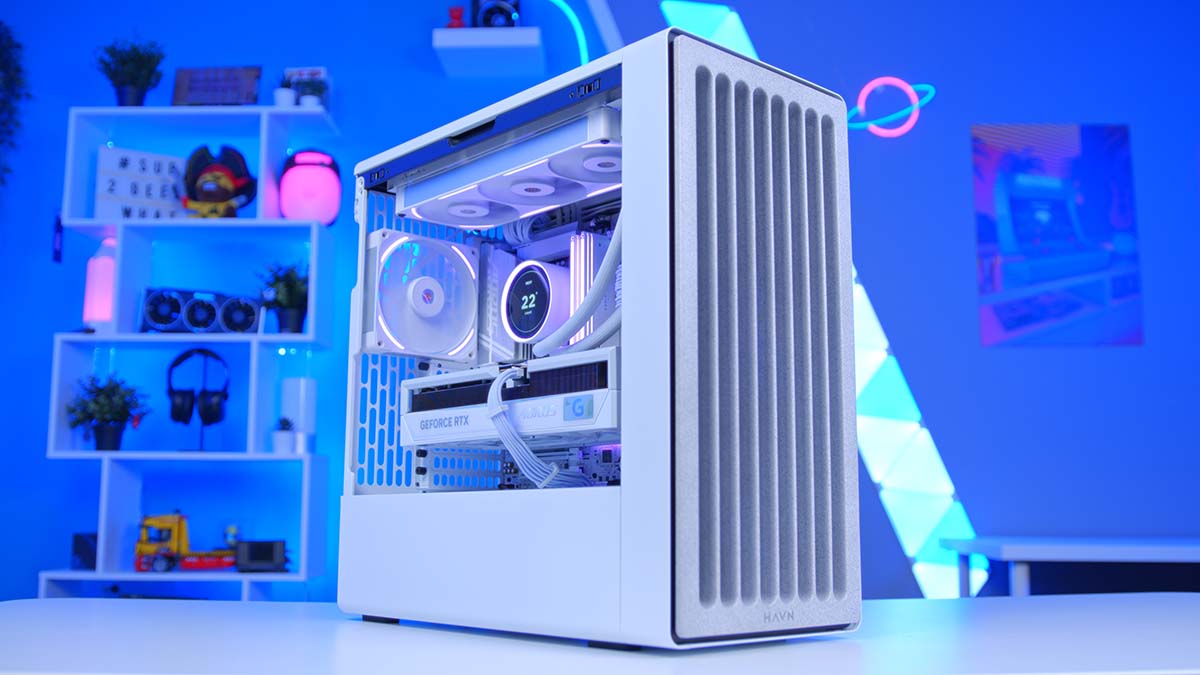
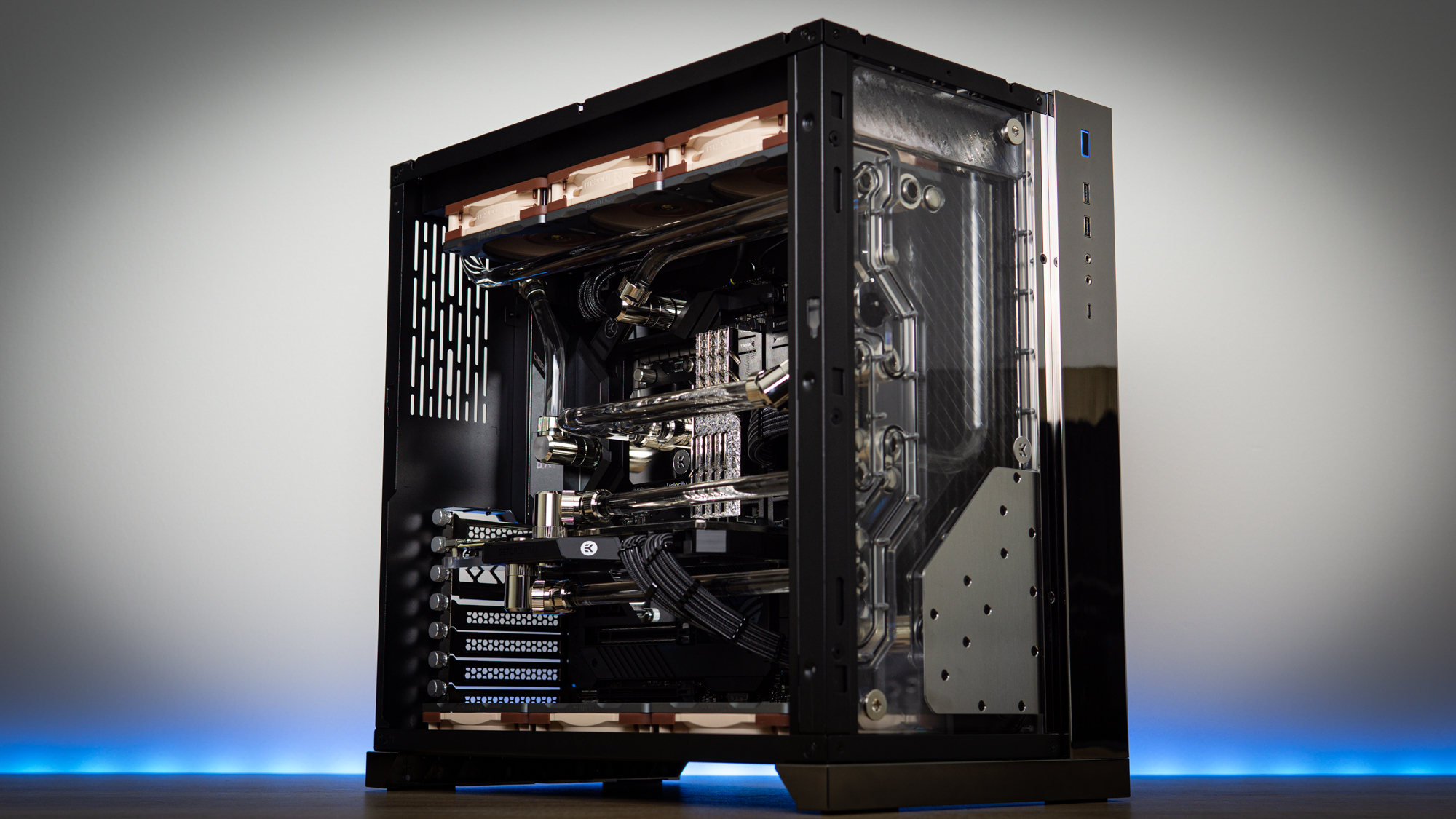
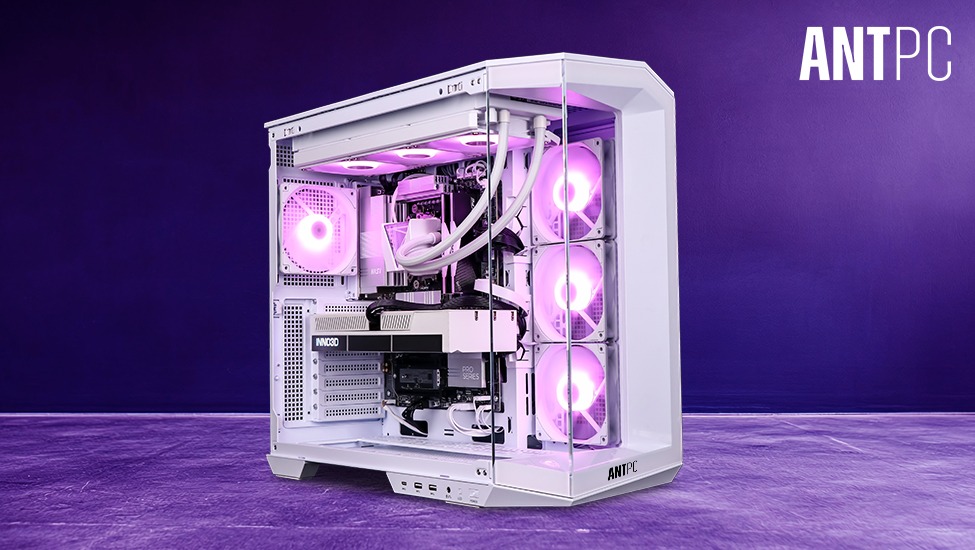

Best Gaming PC Builds For 2026 Best Gaming PC Builds For 2026.webp. Building An Enthusiast Grade PC Build For 2026 GeekaWhat FI DM87 HAVN BF RTX 5090 Build . Desktop Reviews Analysis And Buying Guides Tom S Hardware Tom S . How To Build A Future Proof Gaming PC In 2026 Complete Custom Build Guide PC . Top 10 Best Desktop Computers 2026 For Home Office And Work Lenovo Legion Tower 7i 2026 High Performance Desktop Computer With RGB Lighting Featured In
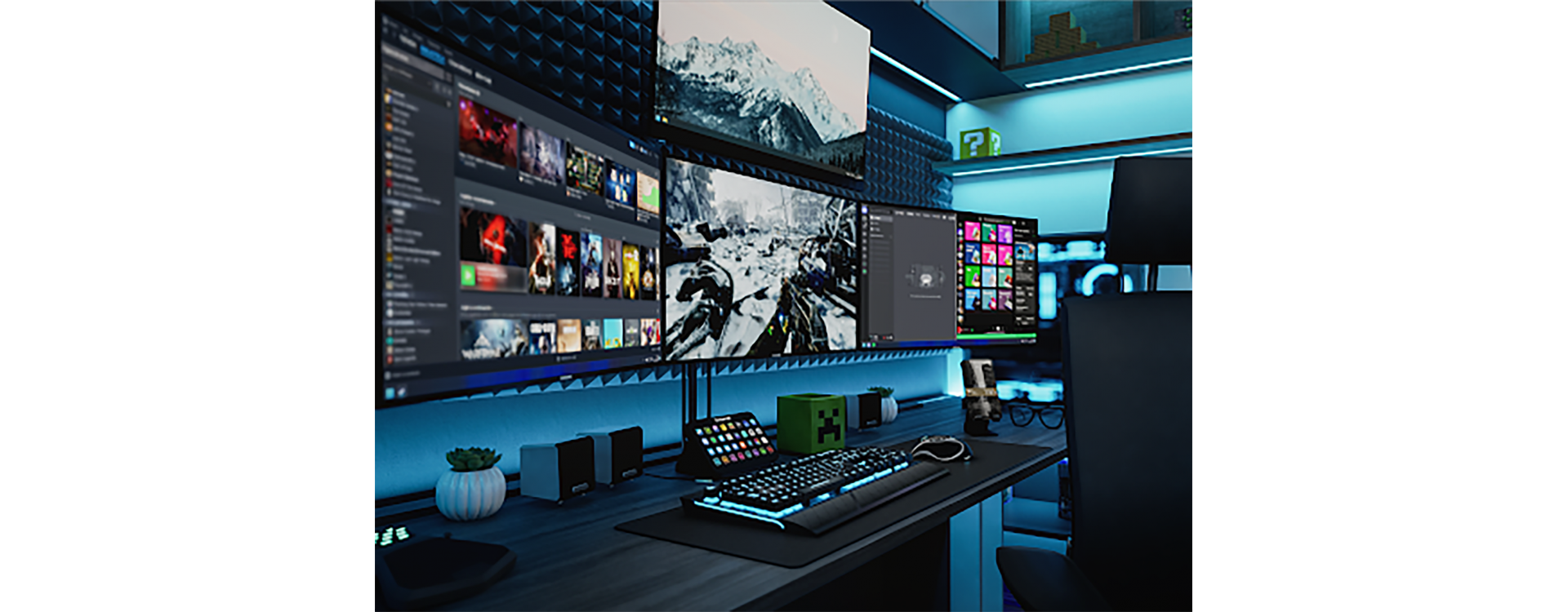
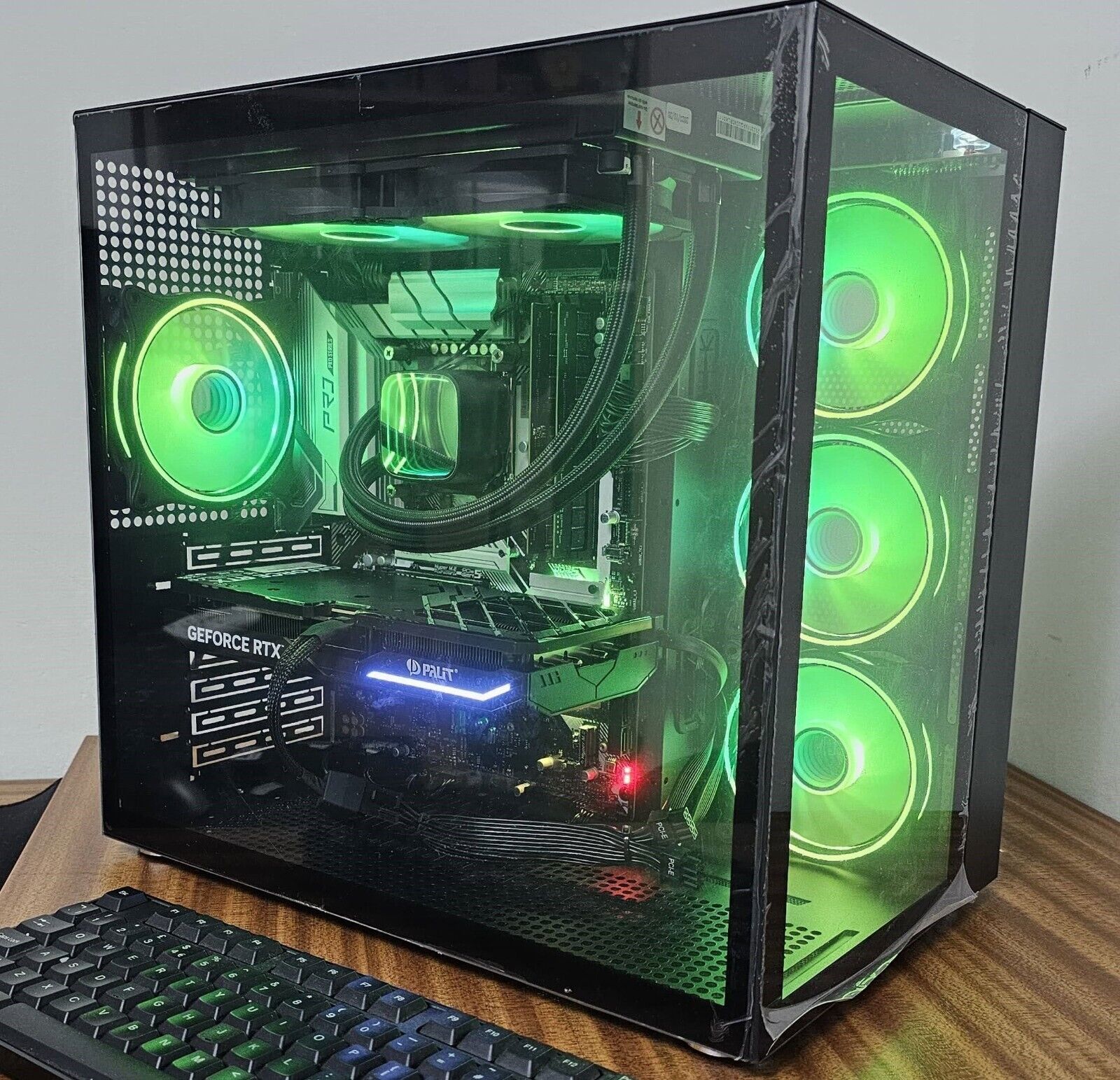


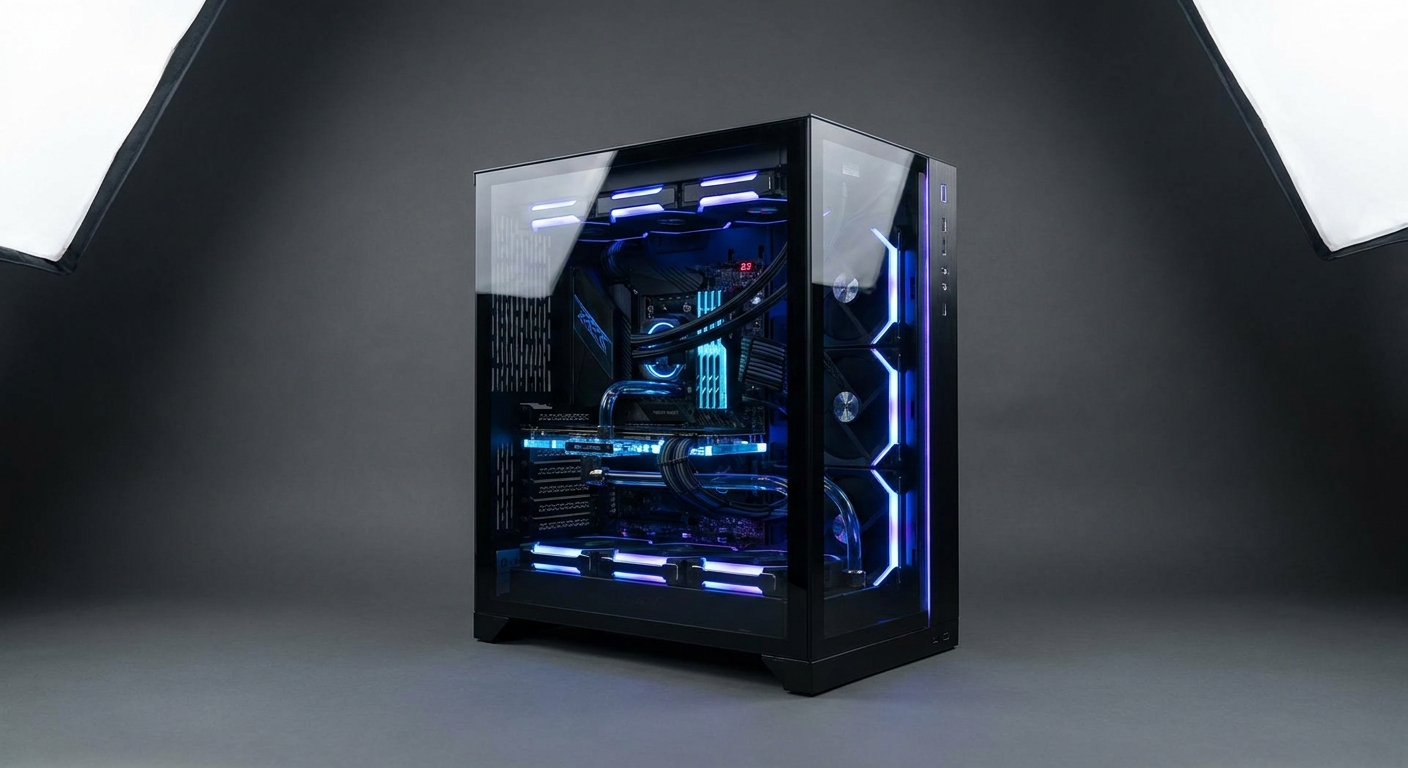
The Ultimate Gaming PC Build 2026 Guide By Xidax 1 Unnamed . Best Streaming PC UK 2026 Twitch YouTube Custom Builds We Build 57 C8998bb0 8c4f 4104 90a8 . Top 10 Best Desktop Computers 2026 For Home Office And Work Lenovo Legion Tower 5i 2026 Budget Desktop Computer For Home Office Among Best Desktop. PC Build Guide 2026 Jan 2026 YBB Malayalam YouTube . Best Budget Desktop PCs Under 800 In 2026 Article7 04 Product Shot

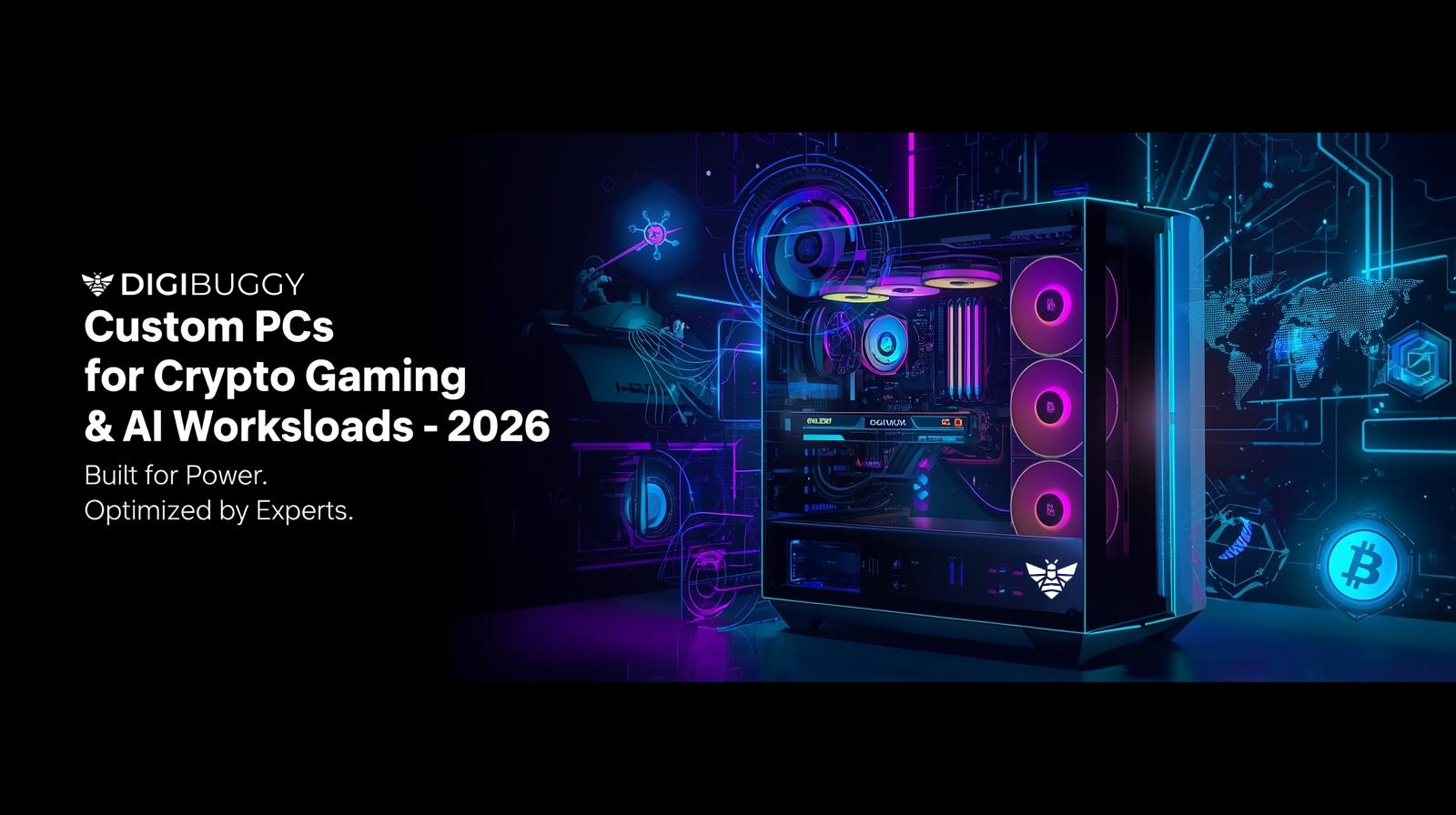

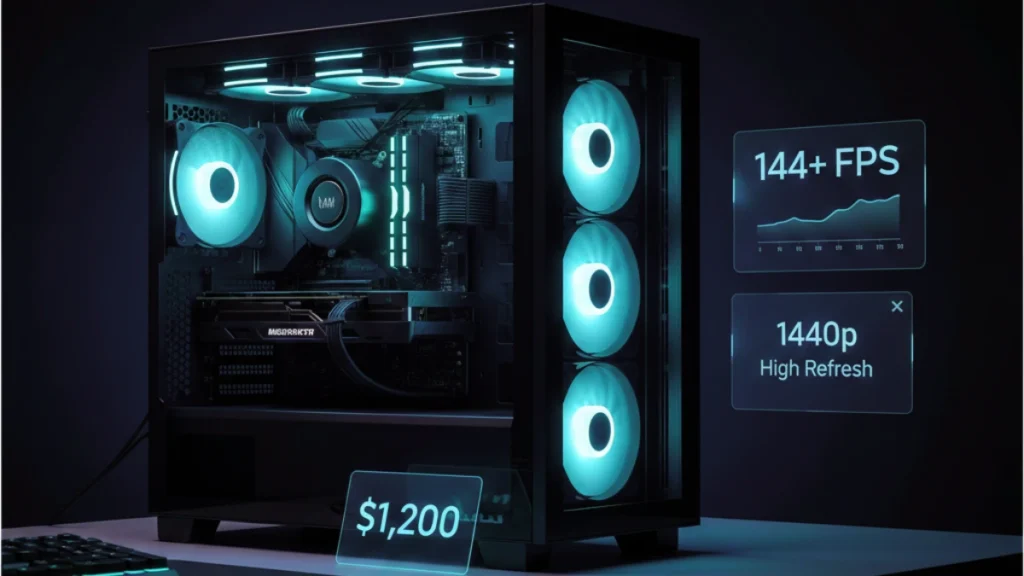

Best Budget Gaming PC Build 2026 High Performance Best Budget Gaming Pc Build 2026 Parts List. Custom PCs For Crypto Gaming AI Workloads In 2026 Digibuggy . Is It Worth Rebuilding Your Old Computer 2026 Upgrade Guide KVS A Stunning 2026 Custom Built G 1 1024x559 . 500 Budget Gaming PC Build 2026 1200 1440p High Refresh Gaming Pc Build. Top 10 Best Desktop Computers 2026 For Home Office And Work Corsair Vengeance I7600 2026 Desktop Computer With Premium Build Quality Listed In Best Desktop

Custom Built Computer Chairs At Loren Griffith Blog 22223 1000 . Best Gaming PC Builds For 2026 Pc Build Help . ASRock CES 2026 Gaming Hardware AsRock . The Ultimate Custom PC Build For 2024 Best Parts Revealed YouTube . How To Build A Future Proof PC In 2026 Without Regret Gemini Generated Ima. Imresizer 98
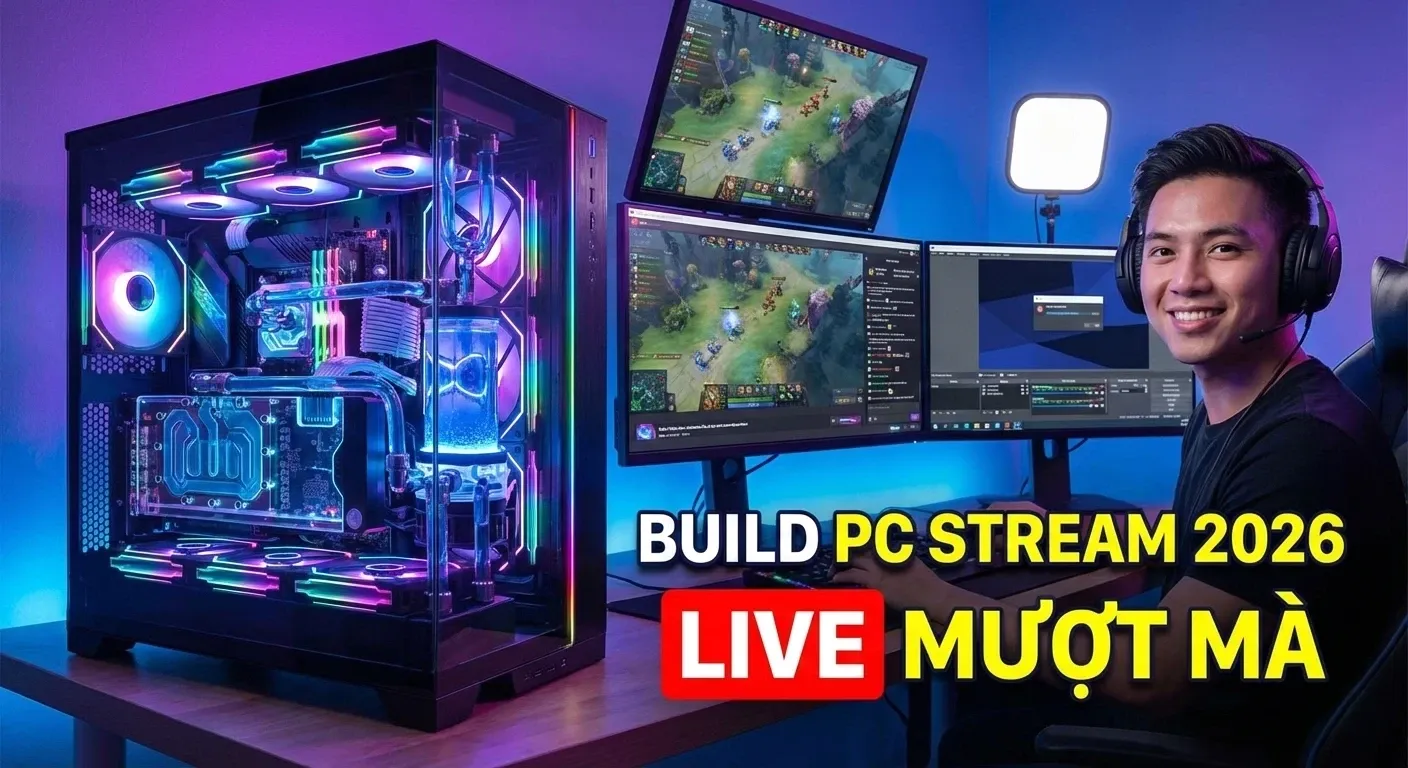

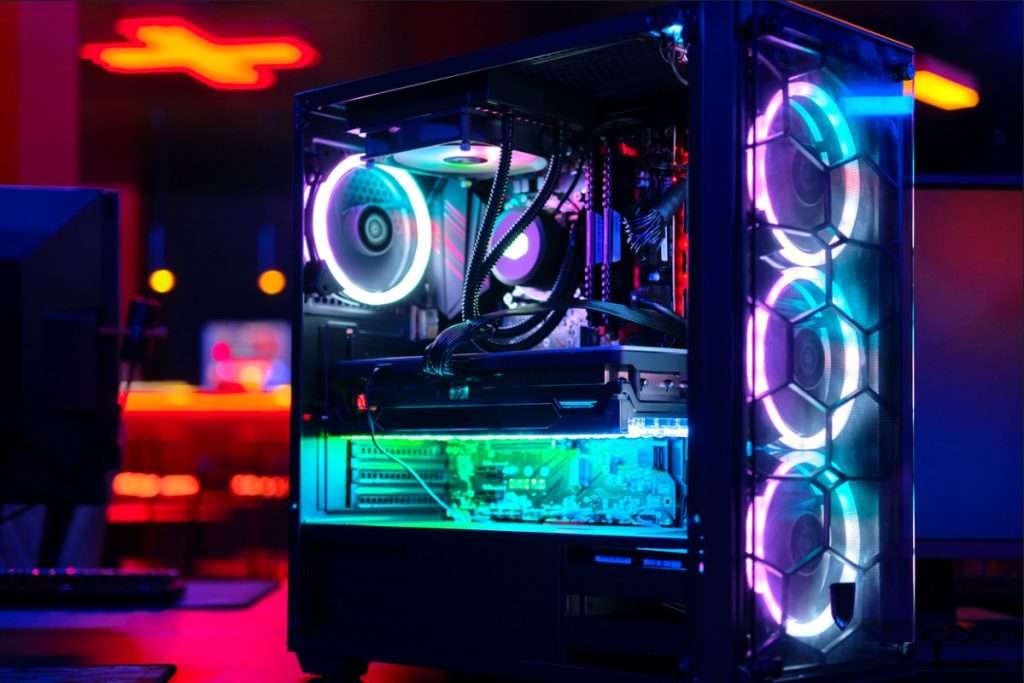
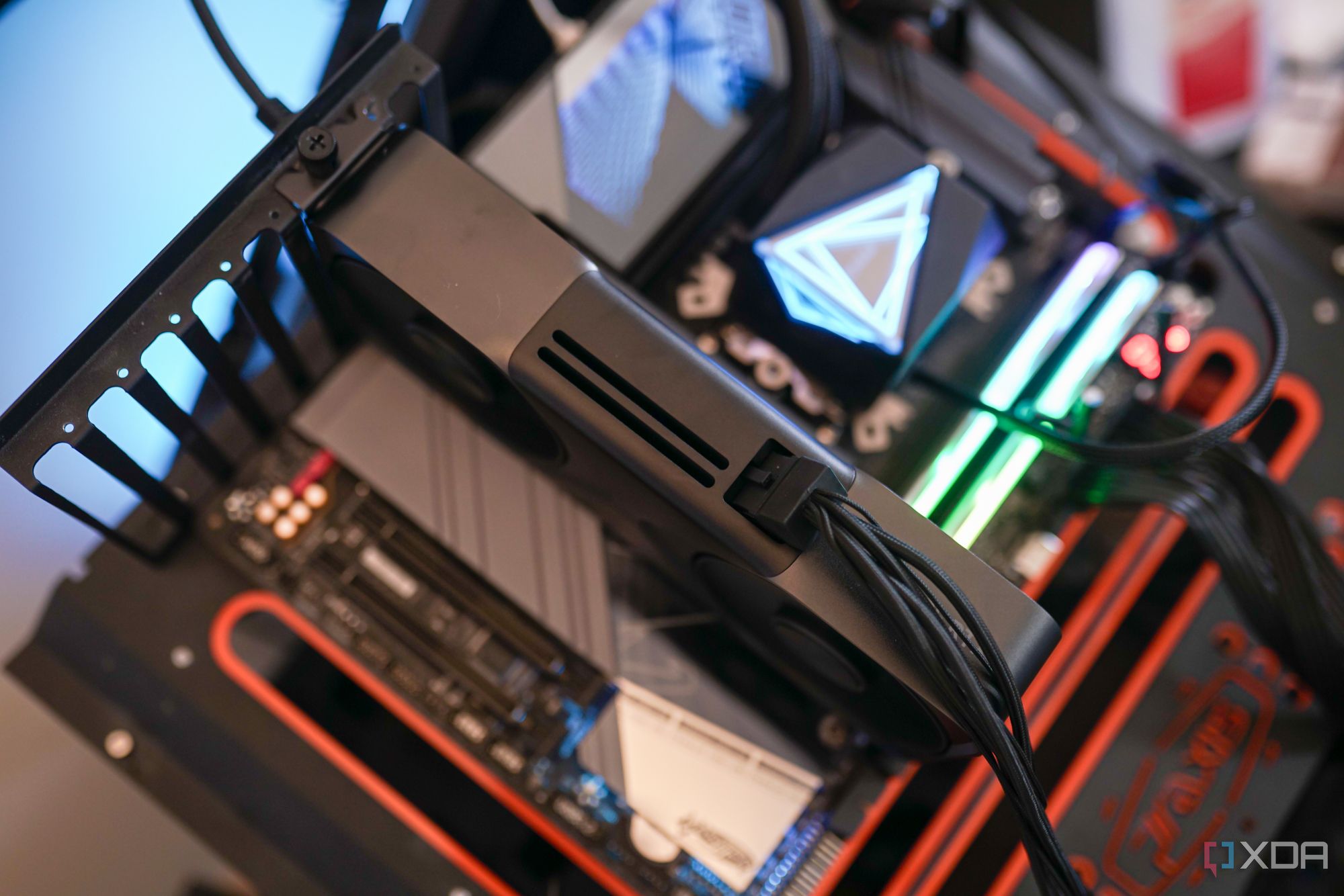

Build PC Stream Game 2026 C N C U H Nh Ra Sao Live M T Kh Ng Lag Build PC Stream Game 2026 Can Cau Hinh Ra Sao De Live Muot Khong Lag.webp. The Best Gaming PC Builds For 2026 Top Picks And Reviews Best Pc Build 96x96 . Best PC Builds For Gaming 2026 Ultimate Guide To Building Your Dream Best PC Builds For Gaming 2026 1024x683 . The Gaming PC You Need To Build For 2026. Should You Build A PC In 2026 Mid Range Gaming Build Guide January Cld Sample
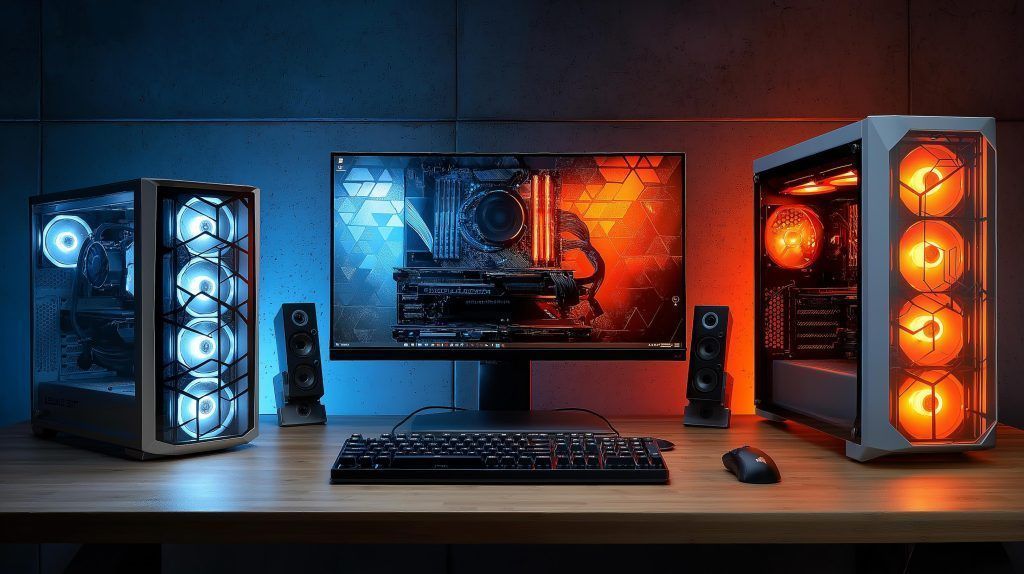

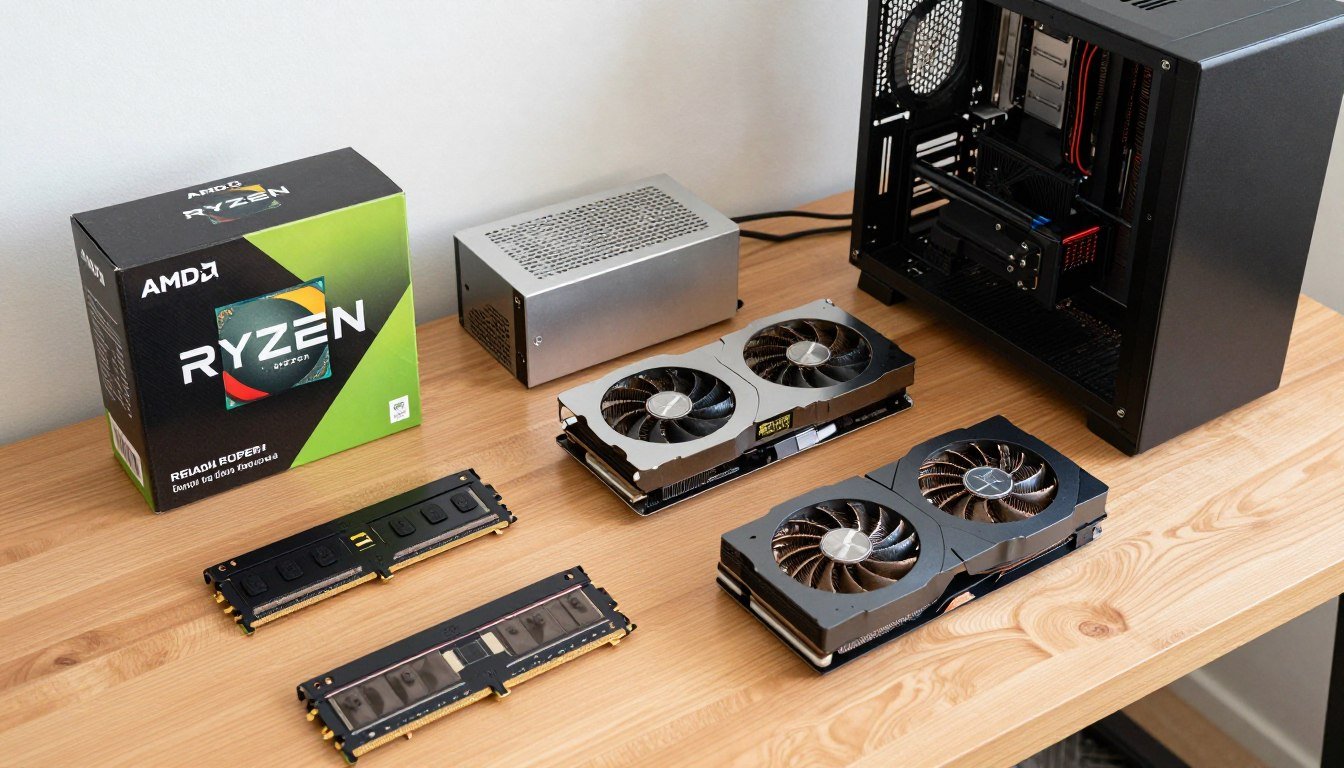


Ultimate 2025 2026 Desktop PC All In One Showdown Top Picks For Desktop Pc 1024x574 . What Makes The Ultimate PC Build Experience How To Build A Gaming PC 2024 . Budget PC Build 2026 Complete Guide To Building Cheap Gaming PCs Budget PC Build 2026 Components Laid Out On Desk . Top 10 Best Desktop Computers 2026 For Home Office And Work Apple IMac M4 2026 All In One Desktop Computer For Creative In Best Desktop. Top 10 Best Desktop Computers 2026 For Home Office And Work HP OmniStudio X Pro 2026 All In One Desktop Computer With Large Display Ranked Among Best

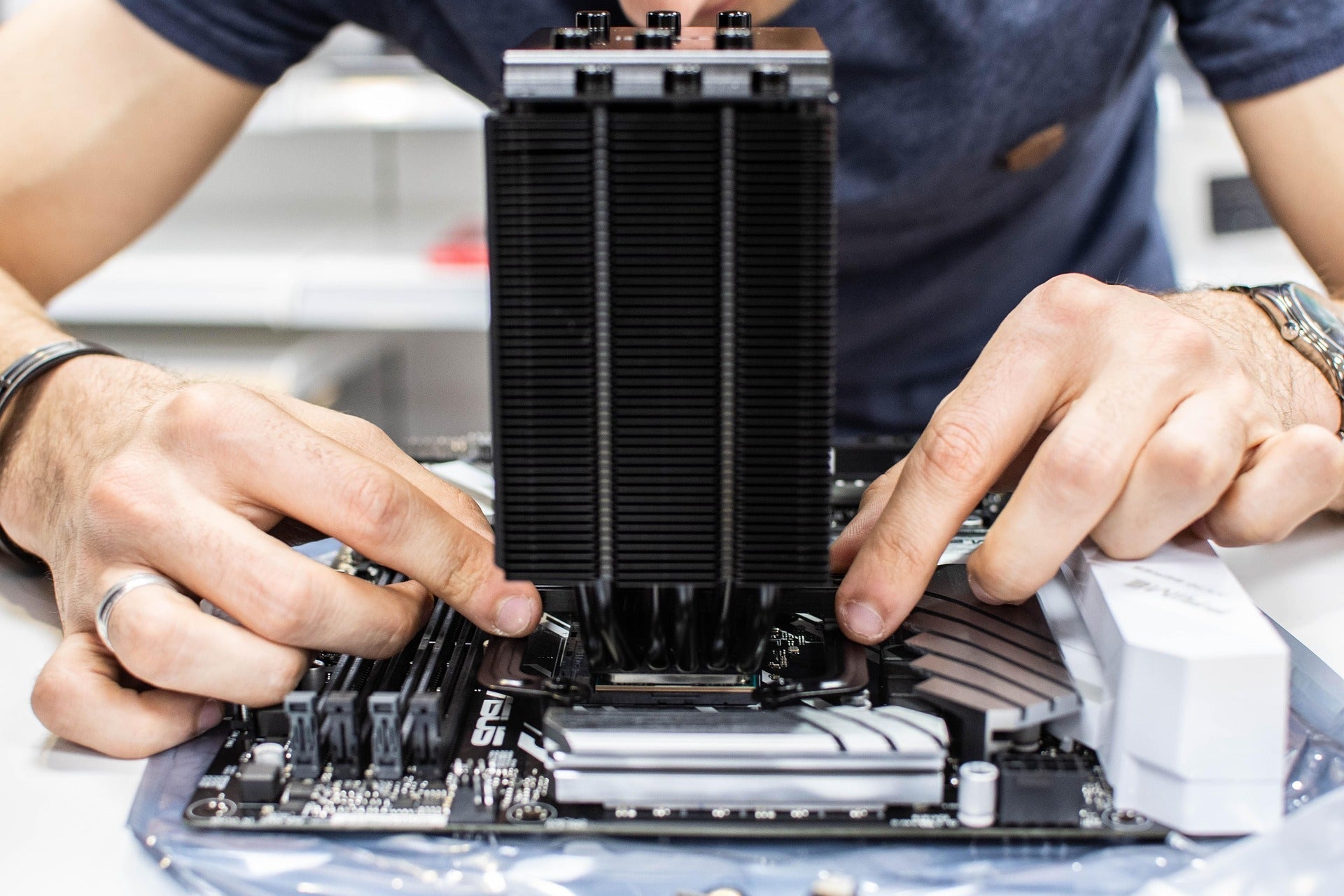
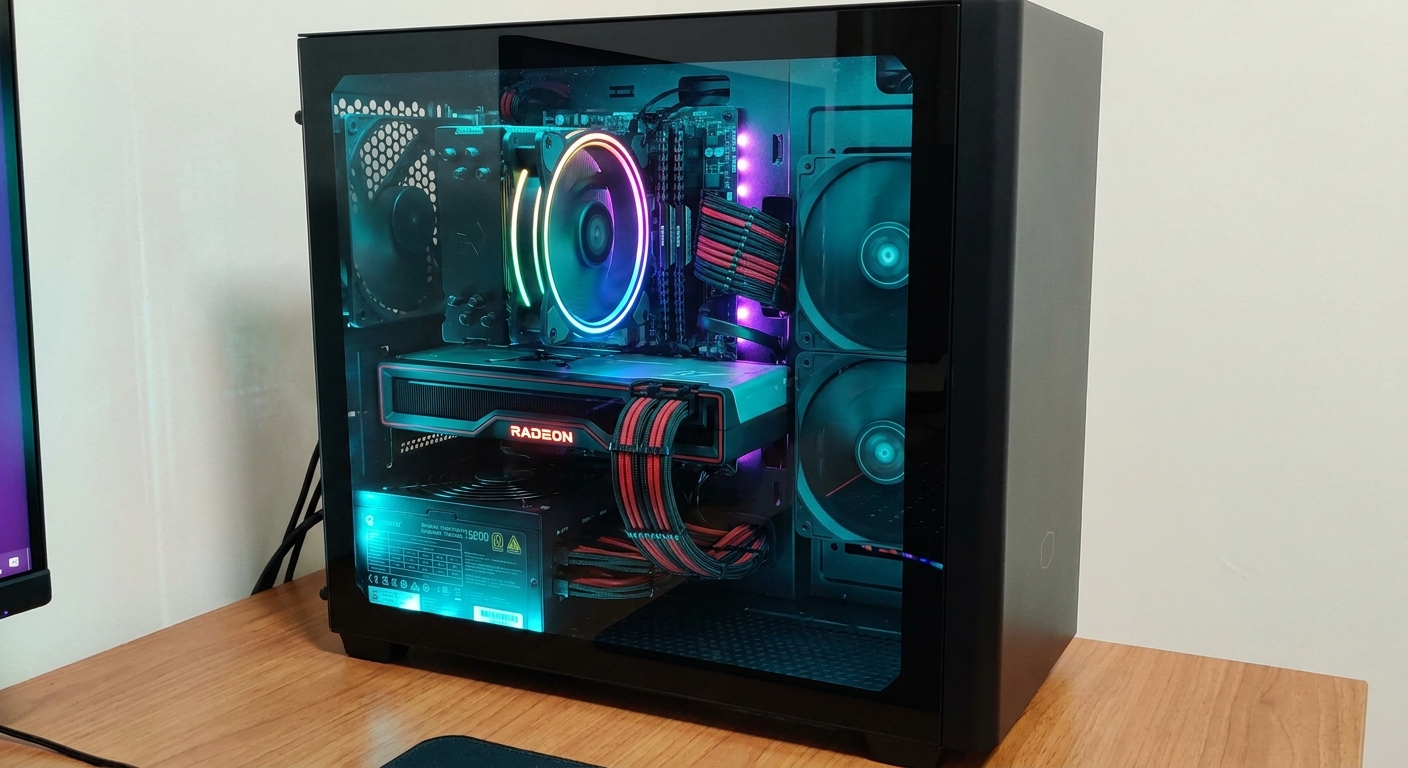
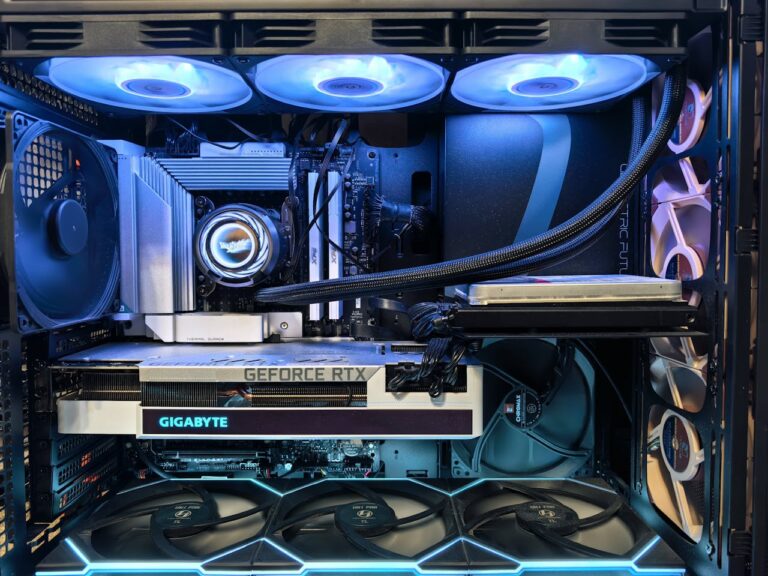
Top 10 Best Desktop Computers 2026 For Home Office And Work HP Omen 35L 2026 Workstation Desktop Computer For Intensive Work In Best Desktop. The Complete Custom PC Building Guide For 2026 Alexandria Customs Pc 4136383 1920 . Best Budget Desktop PCs Under 800 In 2026 Article7 03 Budget PC Interior . Best Gaming PC Build Under 1000 UK 2026 Guide PC Build Experts Pexels Zeleboba 33384272 768x576 . Custom Builds Reboot IMG 3644