Navigating the complex world of gaming companies can feel like a boss battle itself especially when trying to pinpoint who exactly owns Epic Games. Many gamers like us balancing work family and a limited gaming budget often wonder about the forces behind our favorite titles and platforms. Understanding the ownership structure of a giant like Epic Games creator of Fortnite and Unreal Engine offers valuable insights into its strategies game development philosophies and even its future direction. This guide cuts through the noise providing clear concise information on the key players stakeholders and financial relationships that define Epic Games. We will address common concerns from how their ownership impacts free-to-play models to potential future industry shifts all without the usual marketing hype. Get ready to gain a deeper understanding of one of gaming's biggest names. This informational resource ensures you stay current and make informed decisions about your gaming investments.
Who is the primary owner of Epic Games?
The primary owner of Epic Games is its founder and CEO, Tim Sweeney. He maintains a controlling stake in the company, ensuring his vision guides Epic's strategic direction and day-to-day operations. This direct control by Sweeney is a defining characteristic of Epic's corporate structure, allowing for bold decisions and long-term investments in areas like the metaverse and the Epic Games Store.
What percentage of Epic Games does Tencent own?
Tencent Holdings, the Chinese conglomerate, owns approximately 40% of Epic Games. This significant minority stake was acquired in 2012. It's crucial to understand that while substantial, this does not grant Tencent controlling interest; Tim Sweeney retains the majority share and ultimate decision-making authority.
Does Tim Sweeney still have full control over Epic Games' decisions?
Yes, Tim Sweeney absolutely retains full control over Epic Games' major strategic decisions. His majority ownership ensures that despite significant investments from other entities like Tencent and Sony, he remains the ultimate arbiter of the company's direction, from game development philosophies to platform policies and technology advancements like Unreal Engine.
Beyond Tencent, who are other major investors in Epic Games?
Several other prominent companies and investment firms have invested in Epic Games. Key investors include Sony Group Corporation, KIRKBI the family holding company behind The LEGO Group, and major investment funds such as Fidelity Management & Research Company, KKR, and BlackRock. These investments highlight Epic's strong position and future growth potential in the gaming and technology sectors.
How has Epic Games' ownership influenced the Epic Games Store strategy?
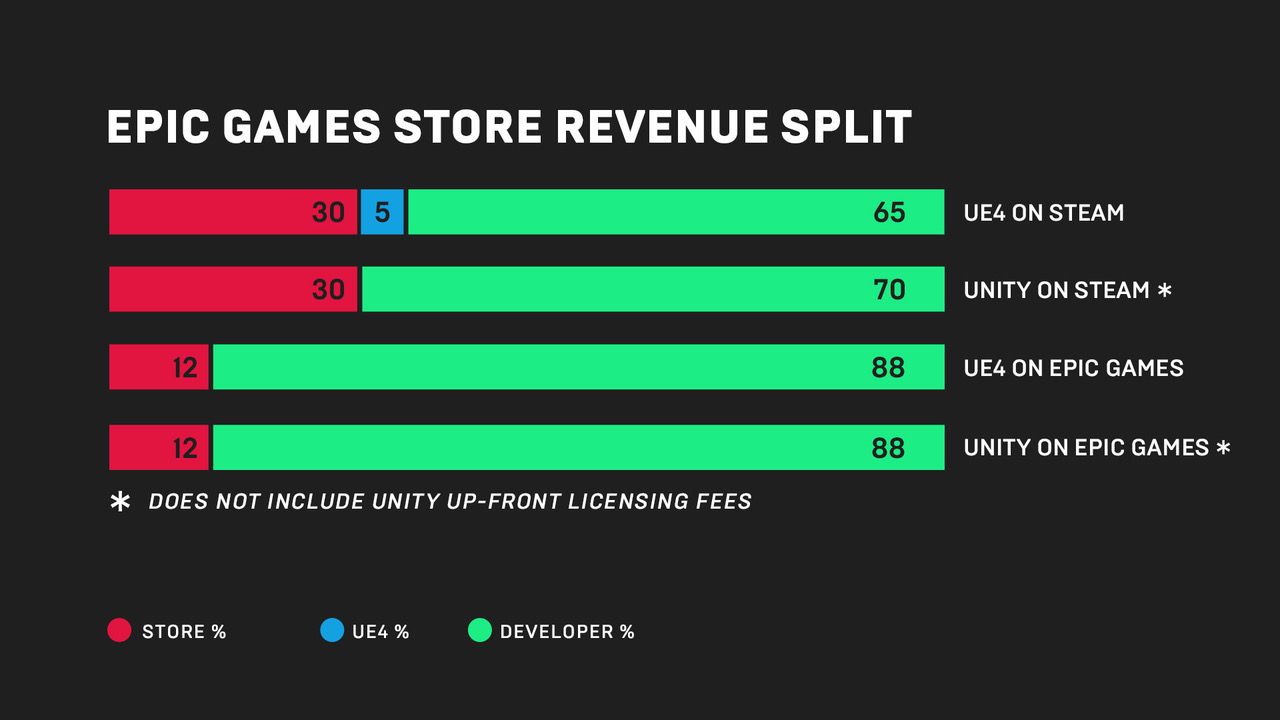
Epic Games' ownership, primarily Tim Sweeney's vision, has directly driven the Epic Games Store's EGS developer-friendly strategy. EGS offers an 88/12 revenue split, significantly more favorable to developers than the industry standard. This aggressive approach, aimed at fostering competition and empowering creators, is feasible because Sweeney's controlling stake allows for long-term investments over immediate profit maximization.
What role does Unreal Engine play in Epic Games' overall strategy given its ownership?
Unreal Engine is a cornerstone of Epic Games' strategy, heavily influenced by its ownership. Tim Sweeney's commitment to pushing technological boundaries and providing powerful, accessible tools for creators is paramount. The revenue generated from Unreal Engine licensing, alongside Fortnite's success, provides the financial stability that allows Epic to continue its innovative investments in the engine, benefiting developers globally and ultimately leading to higher quality games for players.
Is Epic Games looking to go public in the near future?
As of 2026, there are no concrete plans or official announcements from Epic Games regarding an Initial Public Offering IPO in the near future. With Tim Sweeney maintaining controlling ownership and substantial private investments from major companies, Epic appears to be in a comfortable position to continue its long-term strategic goals without the pressures often associated with public markets.
Ever found yourself scrolling through game libraries late at night after a long day at work, wondering if that free-to-play title is truly free, or if your favorite game platform truly has your back? You are not alone. For many of us, the average age of gamers hitting around 36, gaming is that perfect escape or a way to connect with friends after balancing jobs, families, and everyday life. We want relaxation, genuine fun, and maybe even a little skill-building without the endless hype cycles. But understanding the giants behind these experiences, like Epic Games, can feel like trying to decipher an ancient gaming legend. It is a common pain point: who really owns these massive companies, and how does that impact the games we love, the platforms we use, and our wallets? This is not just corporate trivia; it is about recognizing the forces that shape our gaming world, from game recommendations for our limited time to the value we get from our hard-earned cash. Today, we are diving deep into who own Epic Gaming, the powerhouse behind Fortnite and the Unreal Engine. We will cut through the noise, offering clear, actionable insights into its ownership structure, what it means for you as a gamer, and how it aligns with your need for performance, value, and staying current without breaking the bank. By the end, you will have a solid understanding, empowering you to make smarter choices about where you invest your precious gaming time and money.
Who Really Owns Epic Games Today?
At its core, Epic Games remains predominantly owned by its visionary founder and CEO, Tim Sweeney. He holds the controlling stake in the company, a crucial detail that ensures his strategic vision largely dictates Epic's direction. This level of founder control is somewhat unique for a company of Epic's massive scale and global influence in 2026. While Epic Games is valued in the tens of billions of dollars, with significant external investments, Sweeney's majority ownership means he retains ultimate decision-making power. This structure helps maintain a consistent long-term strategy, focusing on innovation and challenging industry norms, rather than being swayed by short-term shareholder pressures.
This steadfast control by Sweeney is a key reason why Epic Games has been able to make bold moves, like heavily investing in the Epic Games Store with its attractive developer revenue split, or continuously pushing the boundaries of Unreal Engine technology. For gamers, this often translates into a platform that prioritizes certain values, such as empowering creators and fostering a competitive ecosystem. Many gamers, particularly those balancing life and leisure, appreciate knowing that a company's leadership is stable and has a clear philosophy, as it often leads to more reliable service and game experiences.
What is Tencent's Role in Epic Games' Ownership?
Tencent Holdings, the Chinese multinational technology conglomerate, holds a significant minority stake in Epic Games. This investment, which occurred back in 2012, saw Tencent acquire approximately 40% of Epic Games for around 330 million US dollars. It is important to clarify that despite this substantial investment, Tencent does not hold a controlling interest in Epic Games. Their role is primarily that of a major investor, not the ultimate decision-maker, a common misconception that often circulates in gaming communities. This distinction is vital for understanding the operational independence of Epic Games.
Tencent's investment provided Epic Games with crucial capital during a transformative period, allowing them to pivot towards live-service games and expand their Unreal Engine licensing. For gamers, this partnership has had both direct and indirect impacts. Tencent's vast experience in mobile gaming, particularly in Asia, likely influenced Epic's strong push into mobile platforms, which is incredibly relevant given that mobile gaming dominates the US market with many gamers playing 10+ hours a week on their phones. This collaboration has also facilitated Epic's global expansion, making games like Fortnite accessible to a wider international audience. However, concerns about data privacy and influence are sometimes raised, a common topic for gamers who value security and transparent practices.
How Does Tim Sweeney Maintain Control of Epic Games?
Tim Sweeney maintains control of Epic Games primarily through his majority ownership of the company's shares. Even with Tencent's substantial 40% stake, Sweeney holds more than 50% of the voting shares, ensuring his ultimate authority over strategic decisions. This structure is often referred to as a founder-led company, where the original visionary retains the helm. It is a deliberate choice that allows Epic Games to pursue long-term goals and take risks that might be less appealing to publicly traded companies driven by quarterly earnings reports.
This control means Sweeney can steer Epic toward initiatives like fostering the metaverse, continuing to fund significant exclusives for the Epic Games Store, and investing heavily in next-generation engine development, even if these ventures take years to yield maximum profit. For gamers, particularly those balancing family and work, this long-term vision can translate into a more stable gaming ecosystem. It means Epic can prioritize developer-friendly policies or player experience improvements without immediate pressure from external shareholders. This stability is often appreciated by gamers who seek reliable platforms and consistent game quality, minimizing setup issues or performance drops often associated with unstable corporate structures.
Why Does Epic Games Have Such a Diverse Investment Portfolio?
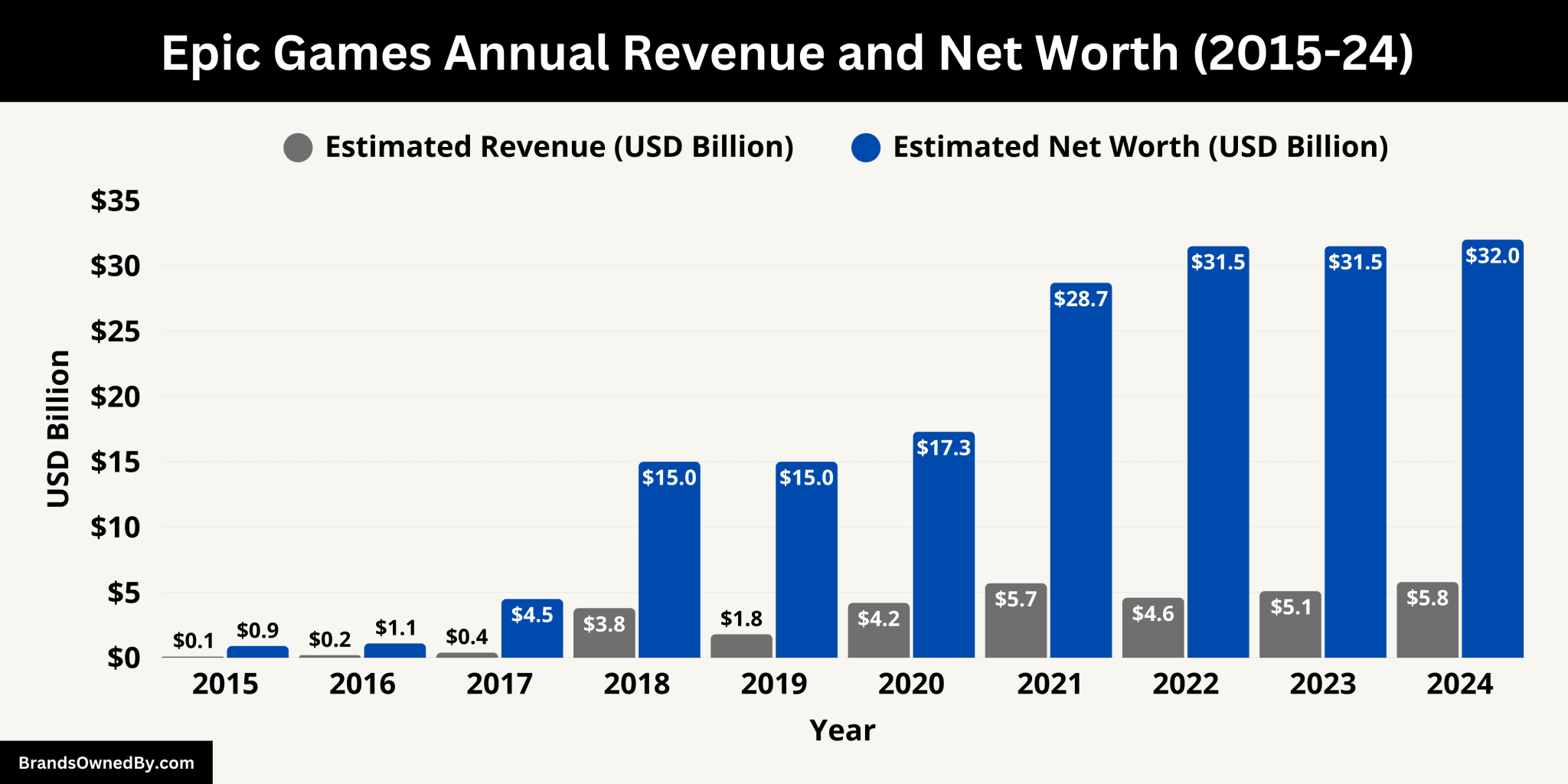
Beyond Tencent, Epic Games has attracted investments from several high-profile companies, creating a diverse portfolio that underscores its significant industry standing. Companies like Sony Group Corporation, KIRKBI the family holding and investment company behind The LEGO Group, and even Fidelity Management & Research Company have invested in Epic Games. These investments total billions of dollars, pushing Epic's valuation to over 30 billion US dollars in recent years. This diverse investment base is not just about raising capital; it is also about strategic partnerships that fuel growth and innovation.
For instance, Sony's investment strengthens the ties between Epic Games and PlayStation, potentially leading to optimized game experiences on their consoles and collaborative ventures in new technologies like virtual reality, a burgeoning area for curious gamers. The KIRKBI investment points towards future collaborations with The LEGO Group, hinting at groundbreaking interactive experiences for players of all ages. These partnerships are crucial in today's cross-play and multi-platform gaming landscape, providing resources and expertise that benefit game development, platform integration, and even budget-friendly hardware upgrades down the line. It ensures Epic can stay current with trends, offering valuable experiences without the hype.
What Impact Does Ownership Have on Epic's Business Strategy and Games?
Epic Games' ownership structure, particularly Tim Sweeney's controlling stake, profoundly influences its business strategy and the games it produces. With Sweeney at the helm, Epic has consistently focused on disruptive innovation and challenging established industry practices. This manifests in several key areas: the Epic Games Store's aggressive pursuit of exclusives and a higher revenue share for developers, the open nature and continuous advancement of Unreal Engine, and the free-to-play model coupled with extensive seasonal content for games like Fortnite.
For the average gamer, this translates to more options and often better value. The competition introduced by the Epic Games Store has pushed other platforms to improve their offerings, benefiting consumers directly. Free-to-play games provide accessible entertainment, crucial for gamers on a budget or those with limited time who still want social play and skill-building opportunities. The continuous evolution of Unreal Engine means better-looking, more performant games across the board. This strategy helps Epic stay ahead of industry trends, like the growth of social gaming and the demand for cross-platform experiences, addressing practical needs without unnecessary fuss.
How Does Epic Games' Ownership Structure Affect Developers and the Epic Games Store?
Epic Games' ownership, spearheaded by Tim Sweeney, has directly shaped its developer-first approach, especially evident with the Epic Games Store EGS. Unlike traditional storefronts that take a 30% cut, EGS offers developers an 88/12 revenue split, meaning they keep 88% of their earnings. This generous split is a direct result of Epic's ability to operate with a long-term vision, unburdened by the immediate profit pressures that might deter other companies from such bold moves. Sweeney's commitment to empowering creators is fundamental to this model.
For independent developers, this higher revenue share can be a game-changer, allowing them to invest more in their games, hire more talent, or simply achieve greater financial stability. For gamers, this means potentially more diverse and innovative games entering the market, as developers have stronger incentives to publish on EGS. It also fosters a competitive environment among storefronts, which can lead to better deals, more free games, and improved features for players. Many busy gamers appreciate the value for money provided by free game giveaways and the occasional exclusive, making their limited gaming budget go further.
Are There Any Other Significant Investors in Epic Games?
Yes, beyond Tencent and Sony, Epic Games has received significant investments from other major entities, further diversifying its ownership. In 2021, Epic raised an additional 1 billion dollars in funding, which included investments from names like KIRKBI, the family investment company behind LEGO, and various investment funds such as Fidelity Management & Research Company, KKR, and BlackRock. This round brought the company's valuation to a staggering 28.7 billion US dollars at the time, a figure that has since grown.
These diverse investors represent a vote of confidence in Epic's long-term strategy, particularly its vision for the metaverse and its continued dominance in game engine technology. Each investor brings not only capital but also potential strategic alignment, opening doors for Epic into new markets or collaborative projects. For gamers, this means Epic has the financial muscle to innovate on a grand scale, whether it is pushing VR experiments, developing new social gaming features, or investing in infrastructure that improves performance and reduces setup issues. It shows Epic is staying current, focusing on innovation that benefits the entire gaming community.
What Does Epic Games' Ownership Mean for the Future of Gaming?
The unique ownership structure of Epic Games, with Tim Sweeney's steadfast control and a powerful yet non-controlling minority stake from Tencent, alongside other strategic investors, positions Epic to be a major force in shaping the future of gaming. Their emphasis on a creator-friendly ecosystem, constant innovation in Unreal Engine, and ambitious metaverse projects suggest a future where digital worlds are more interconnected and immersive. Epic's strong stance against platform monopolies and its push for open standards are also crucial for the industry's evolution.
For gamers, this could mean more interoperability between games and platforms, allowing for greater freedom and less friction in their digital experiences. The ongoing investment in Unreal Engine will continue to drive graphical fidelity and complex simulations, leading to more engaging and realistic game worlds. As social gaming continues to thrive—with many US gamers spending an average of 10+ hours a week online with friends—Epic's focus on connected experiences will likely deliver new ways to build social connections and relax with friends. This commitment to innovation means that gamers, particularly those looking for new ways to engage and build skills, will likely see their experiences continuously optimized and enriched.
How Does Balancing Life and Gaming Connect to Understanding Epic's Business Model?
For the average gamer, typically around 36 years old and juggling responsibilities, understanding Epic Games' business model is surprisingly relevant to balancing gaming with life. Epic's model, driven by its ownership structure, focuses heavily on free-to-play titles like Fortnite and offering free games on the Epic Games Store. This approach provides significant value for money, which is critical for those with budget constraints or limited time for expensive new releases. They can jump into quality experiences without a hefty upfront investment.
Furthermore, Epic's commitment to the Unreal Engine empowers developers to create diverse games, from quick, relaxing sessions to deep, skill-building competitive experiences. This variety allows gamers to choose titles that fit their schedule and mood, whether they have 30 minutes before bed or a few hours on a weekend. The social aspects of Epic's games also cater to the need for connection, allowing busy individuals to socialize with friends online, often cross-platform, without complex setup issues. This intentional design, born from their core strategy, directly addresses many common pain points for time-crunched, budget-conscious gamers.
What Are the Real-World Implications of Epic's Investments for Gamers?
The strategic investments Epic Games receives, from entities like Tencent and Sony, have tangible real-world implications for gamers. For instance, Sony's stake fosters closer collaboration with PlayStation, potentially leading to exclusive content, optimized performance for Epic-powered games on PlayStation consoles, and innovative cross-platform features. This benefits gamers directly through enhanced experiences and a more seamless ecosystem. Similarly, the partnership with KIRKBI LEGO Group hints at expansive, engaging digital play spaces that blend physical and virtual worlds, offering new avenues for creative expression and social interaction, especially appealing to families.
These financial backing ensures Epic can continue to invest heavily in cutting-edge technology, like Unreal Engine 5, which in turn delivers more visually stunning and technically advanced games. For gamers worried about hardware upgrades on a budget, an optimized engine means their current systems might squeeze out more performance. Moreover, Epic's free game initiatives and the competition it creates in digital storefronts often translate into significant savings and more accessible gaming for everyone. This month's gaming trends continue to show a strong pull towards value and accessibility, and Epic's investments directly support that.
Unraveling the ownership of Epic Games reveals a dynamic, founder-led company with strategic investments that profoundly influence the gaming landscape. Tim Sweeney's controlling stake keeps Epic on an innovative, developer-first path, while minority investors like Tencent and Sony provide crucial capital and strategic partnerships. This unique structure allows Epic to push boundaries, offer value through initiatives like the Epic Games Store, and continuously evolve its technology, directly benefiting gamers like you who juggle life's demands with a passion for play. From free-to-play titles that save your budget to cutting-edge engines that optimize performance on your hardware, Epic's ownership decisions trickle down to your daily gaming experience. What's your biggest gaming challenge when balancing life and play? Comment below!
FAQ Who Owns Epic Gaming
Is Epic Games a Chinese Company?
No, Epic Games is an American company founded by Tim Sweeney in the United States. While Chinese conglomerate Tencent holds a significant minority stake (around 40%), Tim Sweeney retains majority control, ensuring Epic's operational independence.
Does Tencent Control Epic Games?
No, Tencent does not control Epic Games. Despite its 40% investment, Tim Sweeney holds the controlling interest, meaning he has the ultimate decision-making power for the company's strategic direction and operations.
Who is the CEO of Epic Games?
Tim Sweeney is the founder and current CEO of Epic Games. He has held this position since founding the company in 1991 and remains the driving force behind its vision and innovations.
What Other Companies Have Invested in Epic Games?
Beyond Tencent, other notable investors in Epic Games include Sony Group Corporation, KIRKBI the family holding company behind The LEGO Group, and various investment funds like Fidelity and BlackRock. These investments collectively contribute to Epic's multi-billion dollar valuation.
Is Fortnite Owned by Tencent?
No, Fortnite is owned by Epic Games. Since Epic Games is an American company with Tim Sweeney holding the majority stake, Fortnite is ultimately owned by Epic Games, not directly by Tencent, though Tencent is a significant investor in Epic.
How Does Epic Games Make Money if Games are Free?
Epic Games primarily makes money through in-game purchases like V-Bucks for cosmetics in Fortnite, licensing its Unreal Engine technology to other developers, and through the Epic Games Store's 12% revenue share from third-party game sales. Free games often serve as a gateway to their ecosystem.
Epic Games is primarily owned by its founder Tim Sweeney. Tencent Holdings holds a significant minority stake in Epic Games. Epic's valuation is in the tens of billions of dollars. The ownership structure influences Epic's strategic decisions and ecosystem development. Unreal Engine and Fortnite are key assets. Epic focuses on game development and the Epic Games Store.
35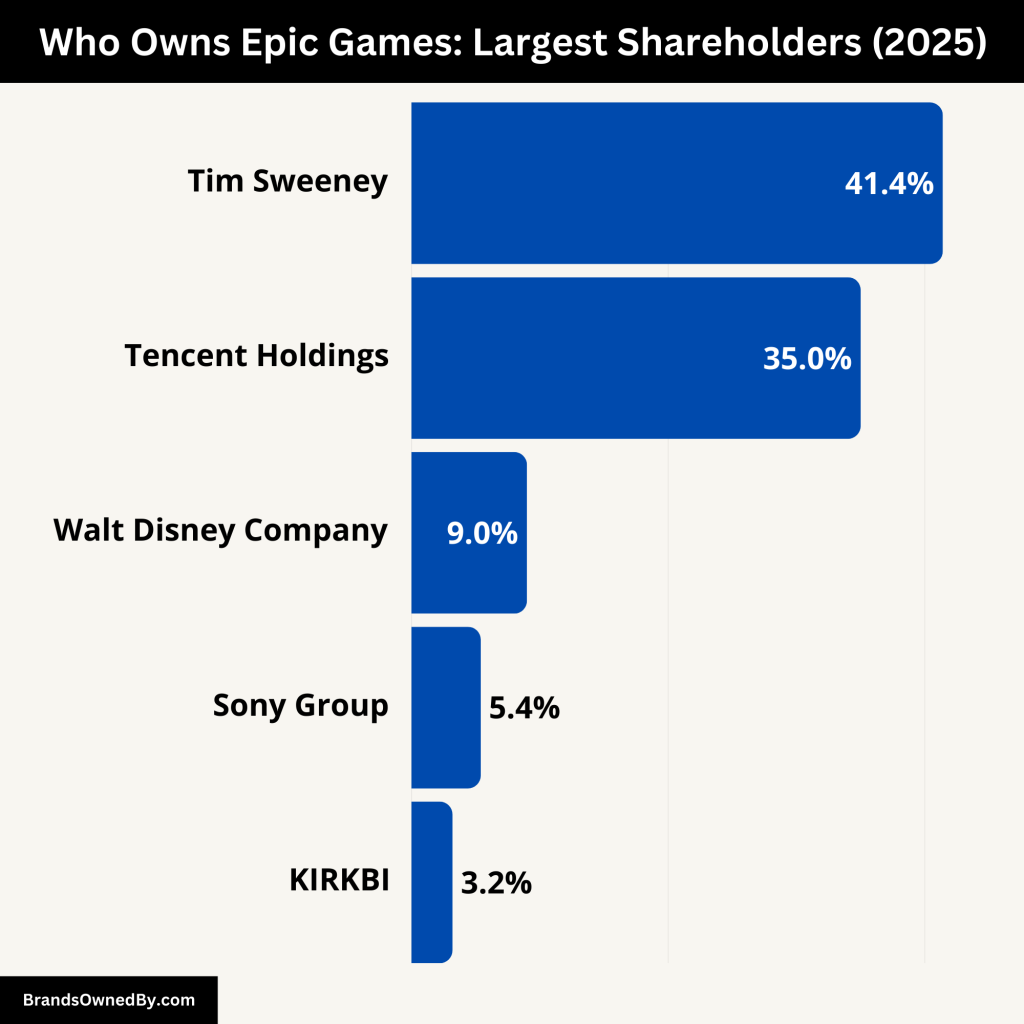

Who Owns Fortnite Ownership Breakdown Brands Owned By Who Owns Epic Games Largest 1024x1024 . Who Owns SportyBet Owner CEO Details 2025 Who Owns Epic Games Tim Sweeney Tencent The Fortnite Empire 2026. Who Owns Epic Games Top Brands Owned By Epic Games Annual Revenue And Net Worth 2015 24 2048x1024 . Epic Games Confirms 2026 Lineup With Major Releases Th. Epic Games Admits Its Launcher Sucks Promises Complete Rebuild For Epic Games Launcher Rebuild Announced 20260205 213026


Epic Games News Store Updates 2026 Epic Games Store Iphone Japan Launch Fortnite . Epic Games Store Riuscir A Competere Con Steam Nel 2026 14235 . Epic Games Fr Hlings Ausverkauf 2026 Die Besten PC Angebote Im Epic Games Fruehlung Sale 2026. Epic Games Store Announces Free Game For January 2026 Find Out Here 646722 716512 Updates . Epic Games Net Worth And User Statistics In 2026 A Photo Of A Teen Boy In A Game Store Th


The Unreal Journey Of Epic Games A Look At Its Business Model Epic Games Title 1160x653 . Epic Games Spring Sale 2026 Best Deals And Top Picks Aigi D489e16f E031 41ba 998f . Epic Games Store Comparte Su Resumen Anual 2025 Y Traza El Camino Hacia. Will Epic Games IPO In 2026 Ipo Stocks Fortnite YouTube Oardefault . Epic Games Bahar Ndirimi 2026 En Yi F Rsatlar Ve Fiyatlar Aigi 6d6984eb 3378 4d41 98f5
.jpg)

Epic Games Store Reveals 2026 Exclusives And Doomblade Freebie Th. 2026 Epic Games Store 2202367245 (1) . New 2026 Games Our Release Date Calendar PC Gamer 450 80 . Epic Games To Take On Steam With Its Own Digital Games Store TechRadar . Epic Will Build Its Own Epic Games Store Here Are The Details Epic Will Build Its Own Epic Games Store Here Are 1024x538


The Epic Games Store Reached Over 78 Million Monthly Users In 2026 IG The Epic Games Store Reached Over 78 Million Monthly Users In 2026 . 15 I 16 Gra Za Darmo W 2026 Roku W Epic Games Store GRYOnline Pl 510972785 . Epic Games Store Meriahkan 2026 Dengan Tiga Game Percuma Gamersantai Com EPIC GAMES STORE GAME FREE 2026 FI 750x375 . Veja Quais Jogos Est O Gr Tis Na Epic Games Nesta Semana De Janeiro De 2026 Epic Games 2026 750x375 . Epic Games News Store Updates 2026 Epic Games Store Free Game Doomblade April 2026



Epic Games Store Kicks Off February 2026 With Five Free PC Games Epic Games Store Feb 5 2026 Giveaway Kv . How Much Is Epic Games Worth 2026 Statistics LEVVVEL Epic Games Statistics 1391x782 . Game PC Terbaik 2026 Paling Epic Sepanjang Masa Offline Online Game Pc Terbaik 2026 Paling Epic Sepanjang Masa Offline Online. Epic Games Store Shares Its 2026 Release Preview Epic Games Store S 2026 Release Preview 1920x1080 1024x576 . Who Owns Epic Games A Friendly Guide To The Gaming Giant S Ownership V2 Regox Nbiom


Epic Games Store Closes April 2026 Game Giveaway With Cozy Adventure Epic Games Store Will Give Away Oddsparks At The End Of April 2026 . Epic Games Store Announces Final Free Game Giveaways Of March 2026 Epic Games Store Giveaway March 19 Kv . Epic Games Store 2026 Bloons TD 6 Epic Games 2026 Free Games . Epic Games Store Officially Reveals Its First Free February 2026 Games Epic Games Store Logo . EPIC2026 EPIC2026 Logo