Unlock the full potential of your Roblox experiences with our comprehensive guide to audio emitters. Discover how these essential tools transform flat soundscapes into immersive 3D environments, crucial for today's busy gamers who seek deep engagement without friction. We cover everything from basic setup and advanced spatial sound techniques to troubleshooting common issues and optimizing performance for all devices. Learn how to craft captivating sound designs that enhance gameplay, social interaction, and overall immersion, ensuring your creations stand out in the bustling world of user-generated content. Perfect for developers and players alike, this resource helps you navigate the intricacies of Roblox audio, offering practical solutions and creative insights to elevate your virtual worlds. Stay current with 2026 gaming trends, where dynamic audio is key to player retention and enjoyment across mobile and PC platforms.
What exactly is an Audio Emitter in Roblox?
An Audio Emitter in Roblox is a crucial tool within Roblox Studio that allows developers to create immersive, realistic spatial audio effects. It essentially designates a point in 3D space from which a sound originates, making the sound behave as if it's coming from a specific object or location in your game world. This means sounds get louder as players approach the source and softer as they move away, also panning left or right depending on the player's camera angle. This dynamic audio experience significantly enhances player immersion, making environments feel more alive and interactive.
How do I add and configure an Audio Emitter in Roblox Studio?
Adding an Audio Emitter is straightforward. First, insert a "Sound" instance into a Part or attachment where you want the sound to originate. Then, within the Sound object's properties, you'll find options like "RollOffMode," "RollOffMaxDistance," and "RollOffMinDistance." Set "RollOffMode" to Linear or Inverse for 3D falloff. Crucially, ensure the "Playing" property is checked if you want it to play automatically, and link an "AudioId" to your chosen sound asset. You can also adjust "Volume" and "Looped" settings to fine-tune the playback. Experiment with the RollOff distances to control how far the sound travels and fades.
What's the difference between a regular Sound instance and an Audio Emitter setup?
A regular Sound instance simply plays audio globally or from a fixed point without sophisticated spatial characteristics. When you configure a Sound instance with specific RollOff properties and attach it to a Part, it effectively *becomes* an Audio Emitter. The key distinction lies in the 3D spatialization: an Audio Emitter actively calculates distance and direction from the player's camera to make the sound feel like it's coming from a tangible source within the game world, adjusting volume and panning accordingly, unlike a simple, non-spatialized sound.
Can Audio Emitters improve my game's performance or immersion for mobile players?
Absolutely, proper use of Audio Emitters can significantly improve immersion across all platforms, including mobile. While complex soundscapes can sometimes be demanding, Roblox's engine handles spatial audio efficiently. For mobile players, realistic sound cues from emitters can compensate for smaller screens by providing important directional information, making navigation and gameplay more intuitive. By using efficient sound assets and optimizing RollOff distances, you can create immersive mobile experiences without bogging down performance. This month, mobile gaming continues its dominance, with immersive features like spatial audio being a huge draw.
What are some creative ways to use Audio Emitters beyond basic background sounds?
Beyond simple ambient loops, Audio Emitters unlock a world of creativity. Imagine a hidden treasure chest emitting a faint, glittering sound that guides players. Or a monster's footsteps growing louder as it approaches. You can use them for directional voice chat effects in social hubs, making players' voices sound like they originate from their avatars. Environmental hazards like dripping water, creaking doors, or distant explosions become far more impactful and realistic. They're also perfect for interactive elements like buttons, levers, or unique item pickups, providing satisfying auditory feedback that grounds the player in the virtual world.
How do I ensure my Audio Emitters are heard correctly across different player settings?
To ensure consistent playback, test your Audio Emitters rigorously across various devices and Roblox client settings. Pay attention to the "RollOffMode" and distances, as these define the listener's experience. Provide in-game options for players to adjust master volume and sound effect volume, which is a common expectation among gamers balancing their real-world environment. Also, consider accessibility: ensure crucial sound cues have visual counterparts for players with hearing impairments. Roblox's default spatial audio settings are generally well-optimized, but developer testing is key to catch any edge cases.
Are there any scripting considerations when dynamically creating or managing Audio Emitters?
Yes, when creating or managing Audio Emitters dynamically via scripts, you'll typically instantiate a "Sound" object, set its "Parent" to a Part or Attachment, define its "AudioId," and then configure its spatial properties like "RollOffMode" and "RollOffMaxDistance." You can use functions like Sound:Play() and Sound:Stop() to control playback. For complex scenarios, consider using RemoteEvents to trigger sounds on the client side, reducing server load. Efficiently managing sounds, like pooling and reusing sound objects or only playing sounds when a player is within range, can prevent performance issues, especially in bustling social games where many interactions occur simultaneously.
Gaming, for many of us, is more than just a pastime; it's a way to unwind, connect with friends, and even sharpen our skills after a long day of work and family life. We crave experiences that truly pull us in, making us forget the real world for a bit. And while stunning graphics often get the spotlight, sound is arguably the silent hero of immersion. Think about it: a well-placed creak, the subtle rustle of leaves, or the booming echo of an explosion doesn't just add to the atmosphere—it defines it. Yet, how many times have you been in a Roblox game where the audio felt flat, global, or just...off, pulling you right out of that carefully crafted virtual world? For the 87% of US gamers who play regularly, often for 10+ hours a week across PC and mobile, these small frustrations can really add up. This month, with social gaming and rich, interactive experiences dominating trends, sound quality is more critical than ever.
That's where the Roblox Audio Emitter comes in. This powerful, yet often underutilized, tool allows creators to transform their game's soundscape from basic to brilliant, delivering truly spatial audio that brings environments to life. No more guessing where that enemy is coming from or feeling disconnected from the action. An optimized audio emitter setup means sounds feel like they're truly *there*, in the game world, responding to your movement and perspective. If you're a busy gamer looking to elevate your own Roblox creations or simply curious how developers achieve that next-level immersion, you've come to the right place. We're diving deep into the world of audio emitters in Roblox, offering practical tips, troubleshooting advice, and creative ideas to help you build or appreciate truly captivating sound experiences, without the hype, just the helpful facts.
What is an Audio Emitter in Roblox and Why is it Important?
An Audio Emitter in Roblox is not a separate object itself, but rather a "Sound" instance within Roblox Studio that has been configured to produce spatial or 3D audio. When you attach a Sound object to a Part or Attachment and adjust its "RollOffMode" properties, it tells Roblox's engine to treat that sound as originating from a specific point in the 3D world. This means the sound's volume and panning will dynamically change based on the player's distance and angle relative to its source. For instance, a waterfall sound will grow louder as you approach it and pan to the left if you walk past it on the right.
This spatialization is incredibly important for immersion, realism, and even gameplay. It helps players accurately perceive the direction and distance of sound sources, making worlds feel more tangible and interactive. In a game, this could mean hearing an enemy approaching from behind, locating a hidden item by its distinct jingle, or simply making ambient sounds like distant city noises feel natural. For developers, it's a fundamental tool for crafting rich, believable environments and providing crucial auditory feedback.
How Do You Set Up an Audio Emitter for Spatial Sound in Roblox Studio?
Setting up an audio emitter is a core skill for any Roblox developer aiming for next-level sound design. It's a fairly straightforward process but requires attention to detail. Here’s a step-by-step guide:
- Insert a Sound Object: Open Roblox Studio and navigate to the Part, Attachment, or even a Model where you want your sound to originate. In the Explorer window, right-click on your chosen object, select "Insert Object," and search for "Sound."
- Assign an AudioID: Once the Sound object is inserted, select it. In the Properties window, find the "AudioId" property. Click the folder icon to browse Roblox's vast audio library or paste in the asset ID of your own uploaded sound. Ensure the sound is appropriate for your game and respects Roblox's content guidelines.
- Configure Spatial Properties: This is where the magic of spatial audio happens.
- RollOffMode: This property determines how the sound's volume fades with distance. "Inverse" provides a more natural, exponential falloff, while "Linear" offers a consistent, straight-line fade. "Custom" allows for more advanced scripting. For most scenarios, "Inverse" or "Linear" work best.
- RollOffMinDistance: This is the minimum distance from the sound source where the volume will remain at its maximum. Inside this radius, the sound will play at full volume.
- RollOffMaxDistance: This is the maximum distance at which the sound can be heard. Beyond this point, the sound will fade completely to silence. Carefully balance this to avoid performance issues from playing sounds too far away or having sounds cut off abruptly.
- Playback Settings:
- Playing: Check this box if you want the sound to start playing immediately when the game runs. You can also control this via script.
- Looped: Check this if the sound should repeat endlessly, like for ambient background noise or music.
- Volume: Adjust the initial volume of the sound. Remember, spatialization will also affect perceived volume.
- Test and Refine: Playtest your game! Move around your sound source and listen carefully. Adjust the "RollOffMinDistance" and "RollOffMaxDistance" until the sound fades naturally and feels right for your game's scale and design. Don't be afraid to experiment to find the perfect balance.
What are the Common Mistakes to Avoid When Using Roblox Audio Emitters?
Even experienced developers can sometimes stumble with audio emitters. Avoiding these common pitfalls will save you time and improve your game's overall polish:
- Ignoring RollOff Distances: One of the biggest mistakes is leaving "RollOffMaxDistance" at its default or setting it unrealistically large. This can lead to sounds playing across entire maps, breaking immersion, and needlessly consuming processing power, especially on mobile devices or lower-end PCs where performance is critical.
- Using Low-Quality Audio Assets: A great emitter setup can't fix a bad sound file. Use clear, high-fidelity audio assets. Poor quality sounds can sound muddy or distorted, detracting from the player experience.
- Overlapping Too Many Sounds: While layering sounds can be good, having too many loud, overlapping emitters in one area creates an auditory mess. It becomes difficult for players to discern individual sounds, leading to cognitive overload and a chaotic experience. Be selective and strategic.
- Not Scripting Dynamic Playback: For interactive elements, simply checking "Playing" might not be enough. If a sound should only play under specific conditions (e.g., a door creaking only when opened), you'll need scripts to control Sound:Play() and Sound:Stop() or adjust its properties dynamically.
- Forgetting to Parent Sounds Correctly: For a sound to emit spatially from an object, it needs to be parented *to* that object (e.g., a Part or Attachment). If it's parented to Workspace directly without a specific location, it won't behave as an emitter correctly.
- Neglecting Mobile Optimization: With mobile gaming consistently growing—it's a massive segment of the US gaming market—developers must consider how their audio systems perform on these devices. Large, unoptimized sound files and excessive simultaneous emitters can drastically impact frame rates and battery life.
How Can Audio Emitters Enhance My Roblox Game's Immersion and Social Play?
Audio emitters are game-changers for creating truly captivating and social Roblox experiences. Their impact stretches far beyond just making things "sound good":
- Heightened Realism: By tying sounds directly to their visual sources, emitters create a much more believable world. The distant rumble of thunder, the buzzing of a nearby neon sign, or the distinct clatter of footsteps on different surfaces all contribute to a sense of place and presence that flat audio simply cannot replicate.
- Improved Gameplay Cues: Emitters provide invaluable directional and distance cues. In a competitive game, hearing an opponent reload behind a wall can be a critical advantage. In an adventure game, a faint, growing musical cue might guide players toward a secret area or a quest objective. This month, games that blend subtle audio hints with visual elements are gaining traction for intuitive navigation.
- Enriched Social Interaction: In social hub games, imagine hearing individual players' voice chat originating directly from their avatars. This makes conversations feel far more natural and engaging, mimicking real-world interaction. It's fantastic for role-playing games where players want to feel truly present with others. Many Gen Z and Millennial gamers value these authentic social connections, often using Discord alongside Roblox to enhance this further.
- Dynamic Storytelling: Emitters can enhance narrative moments. A sudden, spatially accurate jump scare sound, or a piece of emotionally charged music that grows louder as you approach a story trigger, can significantly amplify the emotional impact of your game's narrative.
- Environmental Depth: Think about a bustling market street. Individual vendors shouting, music from a nearby cafe, the clatter of horse hooves—each sound with its own spatial origin creates a rich tapestry that makes the environment feel alive, active, and explorable. This contributes to the relaxation and fun that busy gamers seek.
Are There Performance Considerations When Using Many Audio Emitters in Roblox?
Yes, while Roblox's engine is robust, even the most optimized systems have limits. Performance is a key concern, especially for gamers who balance limited playtime with optimal experiences on varying hardware. Here’s what to keep in mind:
Each active Sound object, particularly one configured as an emitter, consumes some amount of system resources (CPU for spatial calculations, memory for the audio file). If you have hundreds or thousands of sounds all playing simultaneously, or with excessively large "RollOffMaxDistance" values that force the engine to calculate spatialization for distant, inaudible sounds, you can absolutely impact frame rates, especially on mobile devices or older PCs.
Here are tips for optimizing audio performance:
- Sensible RollOff Distances: This is paramount. Set "RollOffMaxDistance" values realistically. A small campfire sound shouldn't be heard across the entire map. Only sounds that *need* to be heard from far away should have large max distances.
- Efficient Audio Assets: Use compressed audio formats (Roblox handles this automatically to some extent, but consider the source file quality) and keep sound file sizes reasonable. Avoid extremely long, unlooped sound files unless absolutely necessary.
- Sound Pooling and Reusing: Instead of creating new Sound objects for every single effect (like gunshots or footsteps), consider creating a pool of Sound objects that can be quickly reused. This reduces the overhead of constantly instantiating and destroying objects.
- Client-Side Sound Management: For many decorative or frequent sounds, it's often more efficient to trigger them on the client (player's device) via RemoteEvents rather than having the server manage every sound's state. This distributes the processing load.
- Conditional Playback: Only play sounds when a player is actually in range or when an event occurs that *requires* audio feedback. Script sounds to pause or stop when they are far out of earshot or when the game state changes.
- Limit Concurrent Sounds: In very dense areas, consider dynamically reducing the number of simultaneously playing, less critical sounds. You might prioritize important gameplay cues over ambient background elements.
How Do I Troubleshoot Common Audio Emitter Issues in My Roblox Game?
Running into sound problems can be frustrating, especially when you're trying to create an immersive experience. Here’s a troubleshooting checklist for common audio emitter issues:
1. Sound Not Playing At All:
- Check AudioId: Is the "AudioId" correct and valid? Does the audio asset exist and is it approved by Roblox?
- Is "Playing" Checked? For sounds meant to play immediately, ensure the "Playing" property is checked in Studio.
- Is it Looped? If it's a short sound meant to be continuous, is "Looped" checked?
- Volume Set Correctly? Is the "Volume" property set above 0?
- Parenting: Is the Sound object parented to a Part or Attachment within the Workspace, or another object that exists in the game world? A Sound directly in Workspace without a parented location won't emit spatially.
- Muted in Settings? Have you or a test player accidentally muted "Sound Effects" or "All Audio" in Roblox's in-game settings?
2. Sound Playing, But No Spatial Effect (Not Fading/Panning):
- RollOffMode: Is "RollOffMode" set to "Inverse" or "Linear"? If it's "None," it won't have spatial properties.
- RollOffMin/MaxDistance: Are your "RollOffMinDistance" and "RollOffMaxDistance" values set correctly and realistically for your game's scale? If "MaxDistance" is too large, the sound might seem global. If "MinDistance" is too large, it might not fade until you're very far away.
- Parent's Position: Ensure the parent Part or Attachment is actually moving or positioned where you expect it to be.
3. Performance Issues (Lag/Stuttering When Sounds Play):
- Too Many Emitters: Are you playing an excessive number of active sounds simultaneously?
- Large Audio Files: Are your sound assets unusually large? Try optimizing them outside Roblox Studio before uploading, if possible.
- Script Efficiency: If sounds are scripted, are your scripts efficient? Are you constantly creating new Sound objects instead of reusing them?
- RollOffMaxDistance: Reduce the "RollOffMaxDistance" for less critical or localized sounds to ensure the engine isn't wasting resources calculating sounds far from any player.
4. Sound Not Heard on Specific Devices (e.g., Mobile):
- Mobile Optimization: Refer back to the performance considerations. Mobile devices have fewer resources.
- Roblox Updates: Occasionally, Roblox updates can introduce quirks. Check developer forums for recent discussions on audio issues.
Can Audio Emitters Be Used with User-Generated Content and In-Game Purchases?
Absolutely, audio emitters are fantastic tools for integrating user-generated content (UGC) and enhancing in-game purchases within Roblox experiences. This aligns perfectly with current trends where players love customizing their experience and supporting creators.
For UGC, imagine a player creating a custom pet or vehicle. If that pet or vehicle has a unique sound (a chirp, an engine hum), an audio emitter parented to it ensures that sound emanates realistically from that specific item. This makes UGC feel more integrated and dynamic, rewarding players who invest in personalization. Developers can provide guidelines or tools within their game for UGC creators to properly implement sounds with spatial properties, maintaining a consistent audio experience.
Regarding in-game purchases, emitters can make premium items feel more "premium." A rare weapon could have a unique, spatially accurate firing sound. A purchased aura or special effect could have a subtle, localized sound that follows the player. This adds significant value beyond just visual flair, appealing to the desire for enhanced performance and unique elements among adult gamers who are willing to spend smart on experiences they enjoy. Creators selling sound packs or unique audio effects can also leverage emitters to showcase the depth and quality of their work, offering a tangible auditory upgrade that players can directly experience in a 3D space.
What Are the Best Practices for Audio Design with Emitters for Busy Gamers?
For gamers balancing life, work, and family, finding time to game is precious, so experiences need to be intuitive, relaxing, and fun, not frustrating. Here's how to apply best practices for audio emitters with this audience in mind:
- Prioritize Clarity Over Clutter: Busy gamers don't want an overwhelming wall of sound. Use emitters to highlight important gameplay elements (objectives, enemies, interactive items) while keeping ambient sounds subtle and supportive. The goal is to enhance, not distract.
- Intuitive Directional Cues: Make sure crucial sounds (like hazards, loot, or social interactions) provide clear directional information. This helps players quickly orient themselves and make decisions, reducing cognitive load and saving precious playtime. For example, a distinct "ping" from a collectible item should be easily traceable to its location.
- Accessible Volume Controls: Always provide in-game options for players to adjust different audio channels (master, music, sound effects, voice chat). This is vital for adult gamers who might be playing with headphones, through speakers, or need to quickly lower volume due to family or work calls.
- Consistent Spatialization: Ensure your "RollOffMode" and distances are consistent across similar sound types. Players quickly learn how sounds behave in your game; inconsistent spatialization breaks that trust and feels jarring.
- Focus on Immersion for Relaxation: Leverage emitters for ambient environmental sounds (gentle wind, distant birds, cozy fireplace crackle) that contribute to a relaxing atmosphere. Many adult gamers seek out "cozy games" or social hubs specifically for this unwinding factor, and good spatial audio is key to that feeling.
- Balance Realism with Performance: While hyper-realism is cool, it shouldn't come at the cost of performance. Smart use of "RollOffMaxDistance" and efficient sound assets ensures a smooth experience, preventing lag spikes that can quickly ruin a short gaming session. Value for money, even if it's a free game, means a good performance for their hardware.
In the dynamic world of Roblox development, sound is often the unsung hero that elevates an experience from good to unforgettable. By mastering the audio emitter, you gain the power to craft immersive, engaging, and truly believable virtual worlds that resonate with players. From providing crucial gameplay cues to enhancing social interactions and simply making your environments feel more alive, spatial audio is a vital component for any developer aiming to create a top-tier game. For the busy adult gamer, these details translate into more relaxing, fun, and impactful play sessions, making their valuable gaming time truly count. Remember, it's not just about having sounds, but about making those sounds feel like they belong—like they're an integral part of the world you've built. Take these tips, experiment in Studio, and listen to the difference. What's your biggest gaming challenge when it comes to sound design? Comment below!
FAQ: Quick Answers on Roblox Audio Emitters
Q: What is the primary purpose of a Roblox Audio Emitter?
A: The primary purpose is to create spatial 3D audio, making sounds originate from a specific point in the game world and dynamically change volume and panning based on the player's position and camera angle.
Q: How do I make a sound fade out realistically in Roblox?
A: To make a sound fade realistically, ensure its Sound object's "RollOffMode" property is set to "Inverse" or "Linear," and then adjust the "RollOffMinDistance" and "RollOffMaxDistance" properties to control its audible range.
Q: Can Audio Emitters cause lag in my Roblox game?
A: Potentially, yes. Having too many active Audio Emitters with excessively large "RollOffMaxDistance" values or using very large, unoptimized audio files can consume resources and lead to performance issues, especially on lower-end devices.
Q: What's the best RollOffMode for most Roblox sounds?
A: For most realistic spatial sounds, "Inverse" RollOffMode often provides the most natural-sounding volume falloff, mimicking how sound behaves in the real world. "Linear" is also good for a more predictable, consistent fade.
Q: How can I test my Audio Emitter setup in Roblox Studio?
A: The best way to test is by playing your game in Roblox Studio and moving your avatar around the sound source. Pay close attention to how the volume changes and how the sound pans as you move closer, further, and around the object.
Q: Are Audio Emitters useful for social gaming on Roblox?
A: Absolutely! Emitters enhance social gaming by making voice chat feel more natural (coming from avatars) and making shared environments more immersive, fostering stronger connections and a more believable shared experience among players.
Understanding Roblox audio emitters, setting up spatial sound, troubleshooting common audio issues, optimizing performance for mobile and PC, enhancing game immersion, improving social play with 3D audio, using emitters for user-generated content and in-game purchases, best practices for audio design for busy gamers.
35


Using The Player S Microphone Regardless Of Voice Chat Or Not . New Roblox Audio Features Are Massive YouTube . Roblox S New Audio API A Somewhat Deep Dive Community Tutorials . The Of Roblox S NEW Audio API Voice Filters Analyzers . Roblox Just Released The Best Audio Update YouTube


Not Playing Sound Scripting Support Developer Forum . Emitting Sounds From Player With New Audio API Scripting Support . Audio Objects Roblox Creator Hub 3D Audio Diagram . Audio Objects Roblox Creator Hub AudioEffect Multiple . Audio Objects Roblox Creator Hub AudioEffect Single

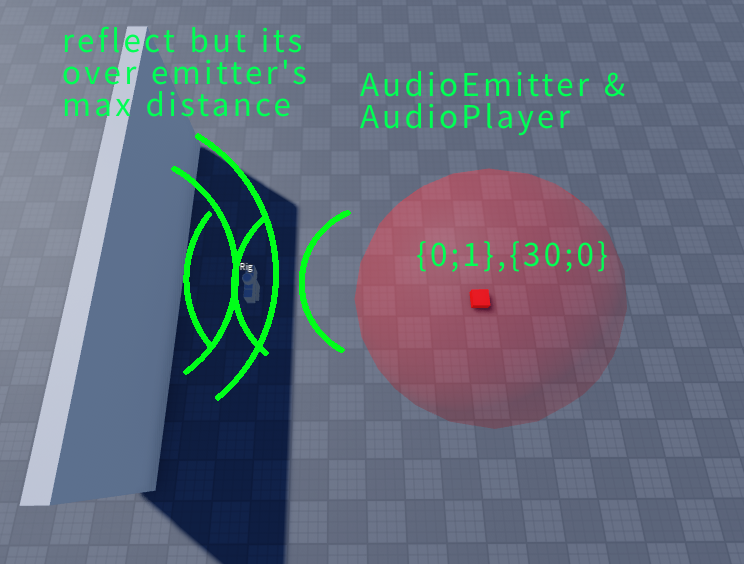


NEW Roblox AUDIO Update YouTube . Distance Bug Engine Bugs Developer Forum Roblox . Roblox S New Audio API A Somewhat Deep Dive Community Tutorials 2 690x182 . New Audio API Beta Elevate Sound And Voice In Your Experiences . How To Upload Audio To Roblox Full Guide YouTube


New Audio API Beta Elevate Sound And Voice In Your Experiences . The Ultimate Audio Player Many Features V1 4 Community Resources . How To Get A Soundboard On Roblox 2026 Best Soundboard For Roblox . How To Fix No Audio On Roblox Voicemeeter Full 2026 Guide YouTube . Level Up Your Roblox Soundboards Explained
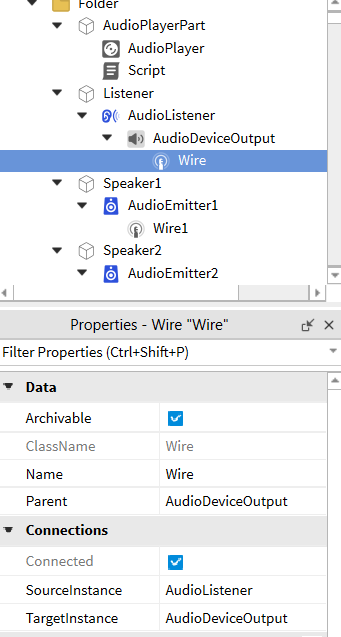


Not Playing Sound Scripting Support Developer Forum . Add 3D Audio Roblox Creator Hub Looping DataModel . How To Fix No Audio On Roblox Voicemeeter Quick Fix Tutorial . New Audio API Beta Elevate Sound And Voice In Your Experiences . Not Playing Sound Scripting Support Developer Forum
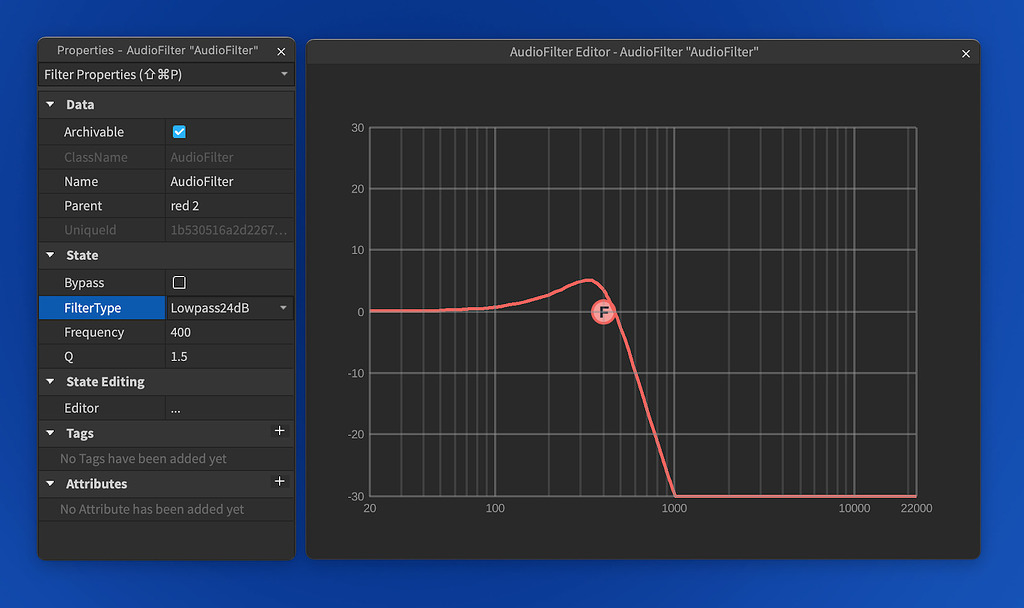
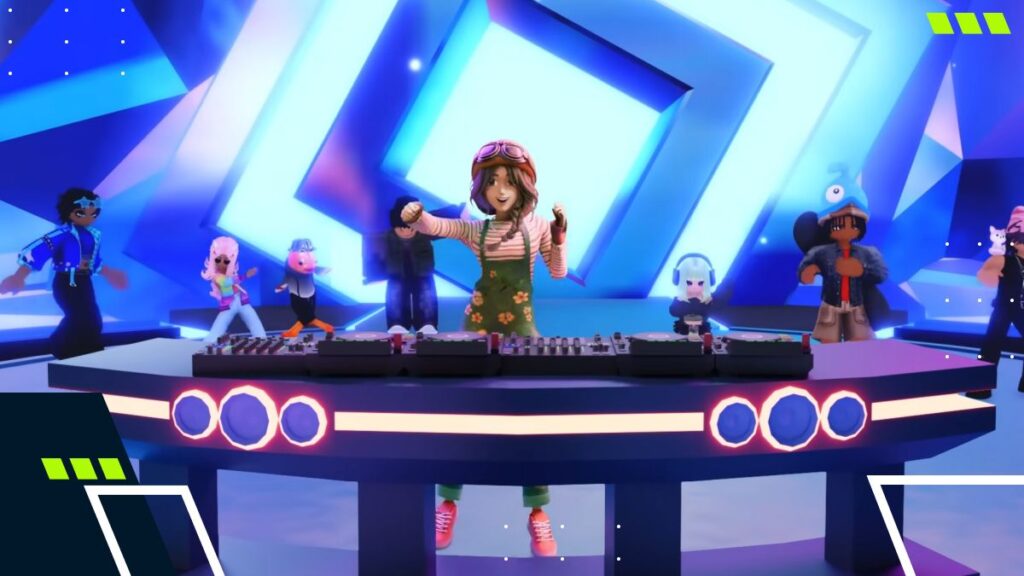

Roblox Audio API Exits Beta Enhanced Sound Controls Now Available 2 1024x608 . Roblox Music IDs 2026 100 Popular Music Codes How To Use Them Popular Roblox Music Codes To Use In 2026 With Full List 1024x576 . Roblox How To Upload YOUR OWN AUDIO For Free YouTube . Audio Objects Roblox Creator Hub . Audio Roblox Wiki Fandom Latest
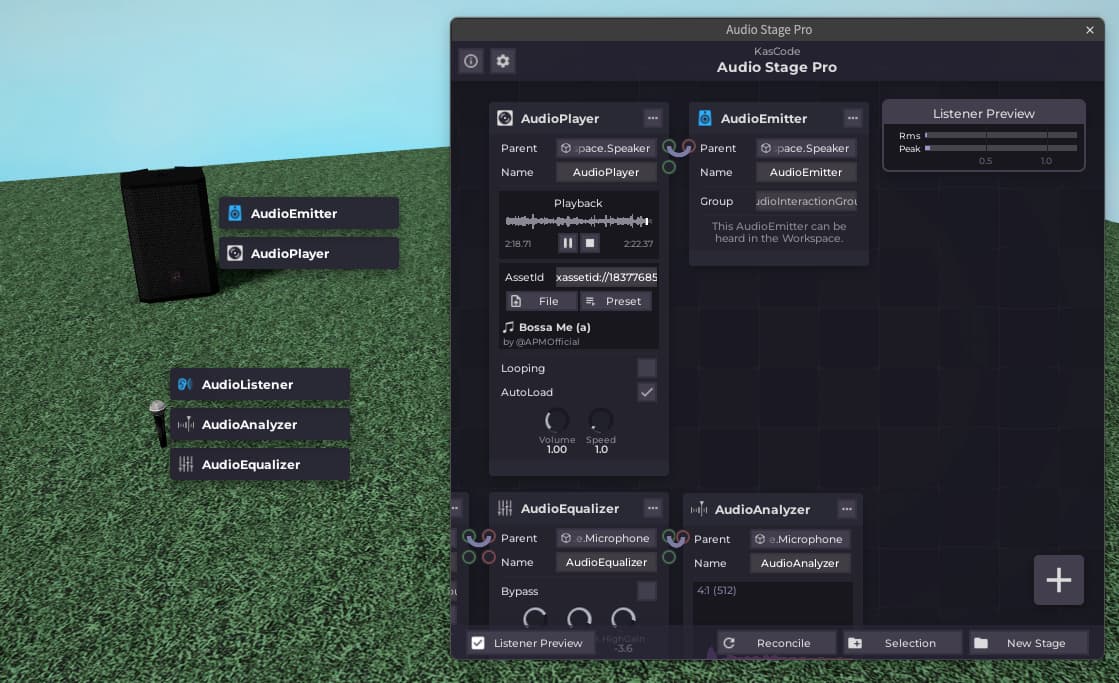



Audio Stage Pro A Powerful Plugin For The New Audio APIs Community . Roblox Bypassed Audios 2025 2026 YouTube . Not Playing Sound Scripting Support Developer Forum . How To Add Audio In Roblox Studio Step By Step YouTube . How To Upload Audio To Roblox After 2024 Update UPDATED GUIDE